Tuesday, September 15th 2026
Mobile Solutions for the Oil and Gas Industry: Phones, Safety, and the Connected Field Worker
Mobile Solutions for the Oil and Gas Industry: Phones, Safety, and the Connected Field Worker
The oil and gas industry has spent years trying to digitize its field operations. The tools to do it properly are now available. In the last few years, the hardware has finally caught up with the ambition.
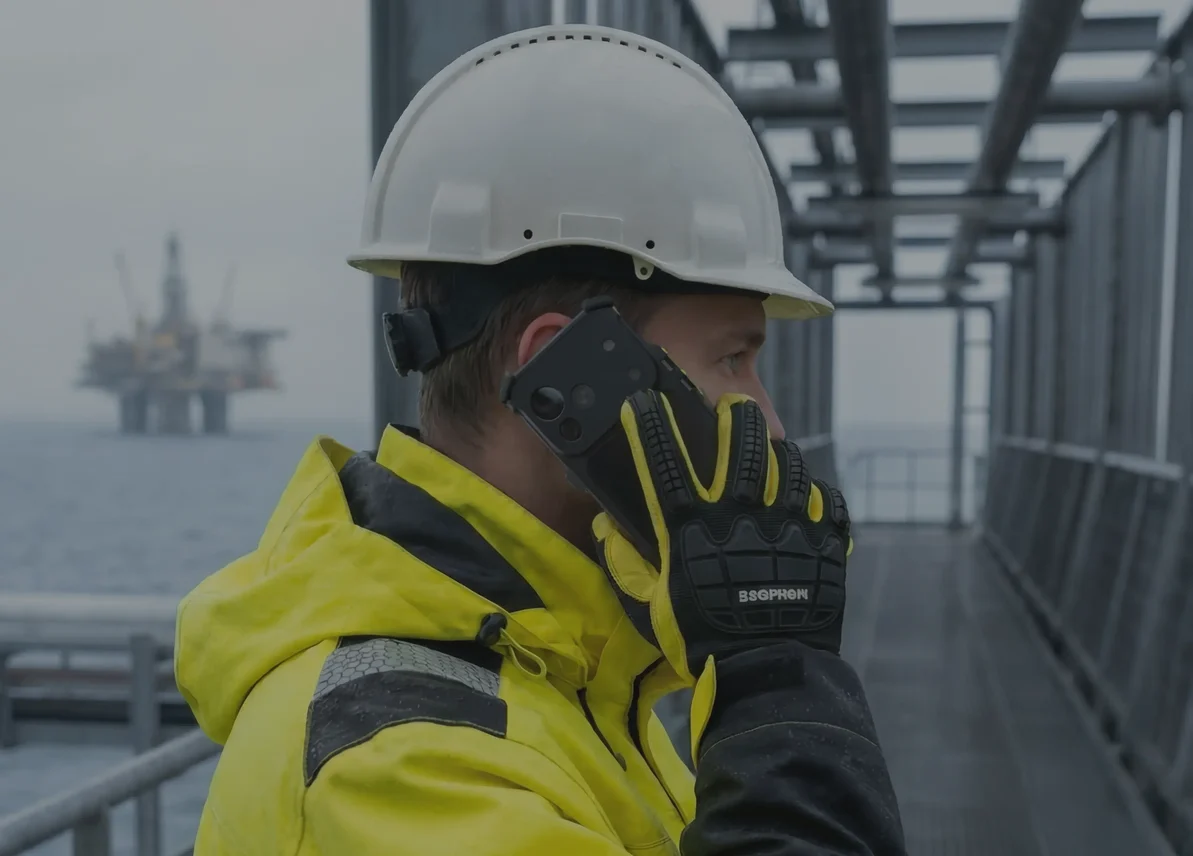
Intrinsically safe and explosion proof phones are central to how operators are building connected field teams, reducing non-productive time, and managing the safety obligations that come with working in hazardous environments. This article covers what mobile solutions are being used across the sector, what certification means in practice, and why the device you put in a worker's hand matters as much as the software running on it.
The Environment Comes First
Oil and gas sites are classified into hazardous zones based on how likely an explosive atmosphere is to be present. Zone 0 means it's continuous. Zone 1 means it occurs during normal operation. Zone 2 means it's only possible under abnormal conditions.
Any phone or case used in these areas must hold the correct ATEX or IECEx certification for the zone it will enter. This isn't optional. An uncertified device is a potential ignition source, and on a rig or refinery, that's not a theoretical concern.
Beyond certification, the chemical aggression of oil and gas environments puts significant stress on hardware. Hydrogen sulfide forms sulfuric acid in the presence of moisture and attacks copper and silver components at parts-per-billion concentrations. Saltwater intrusion on offshore platforms degrades seals and circuitry over time. A device that's certified but not built to handle the actual chemistry of the site will fail early and often.
The practical result: an intrinsically safe or explosion proof phone case needs to meet both the electrical standards for the zone and the material resistance demands of the specific environment.
What Field Workers Are Actually Using Phones For
The case for mobile in oil and gas is built on specific workflows where a capable, certified device in the field creates measurable operational improvement. Some examples are listed below:
Digital Permit-to-Work
Paper permits are one of the most persistent failure points in industrial safety. They're issued once, then carried through an environment where conditions can change by the minute. A paper permit cannot know that a gas alarm has triggered in an adjacent zone or that a confined space entry has just started 30 metres away.
Mobile-enabled ePTW platforms change that. A technician initiates a permit from their device at the work location. The system pulls live data: active permits nearby, current hazards for that specific equipment, gas readings from the area. If a hot work request conflicts with an ongoing confined space entry, the system flags it and blocks approval. During the work, the permit stays live. If an area detector trips, the permit can be instantly revoked and an evacuation alert pushed directly to the worker's phone. Closeout requires photographic evidence of the restored site before the record can be closed.
Organisations moving to digital PTW typically report a 40–50% reduction in permit processing time and a 25–35% fall in work-related incidents.
Equipment Inspections and Operator Rounds
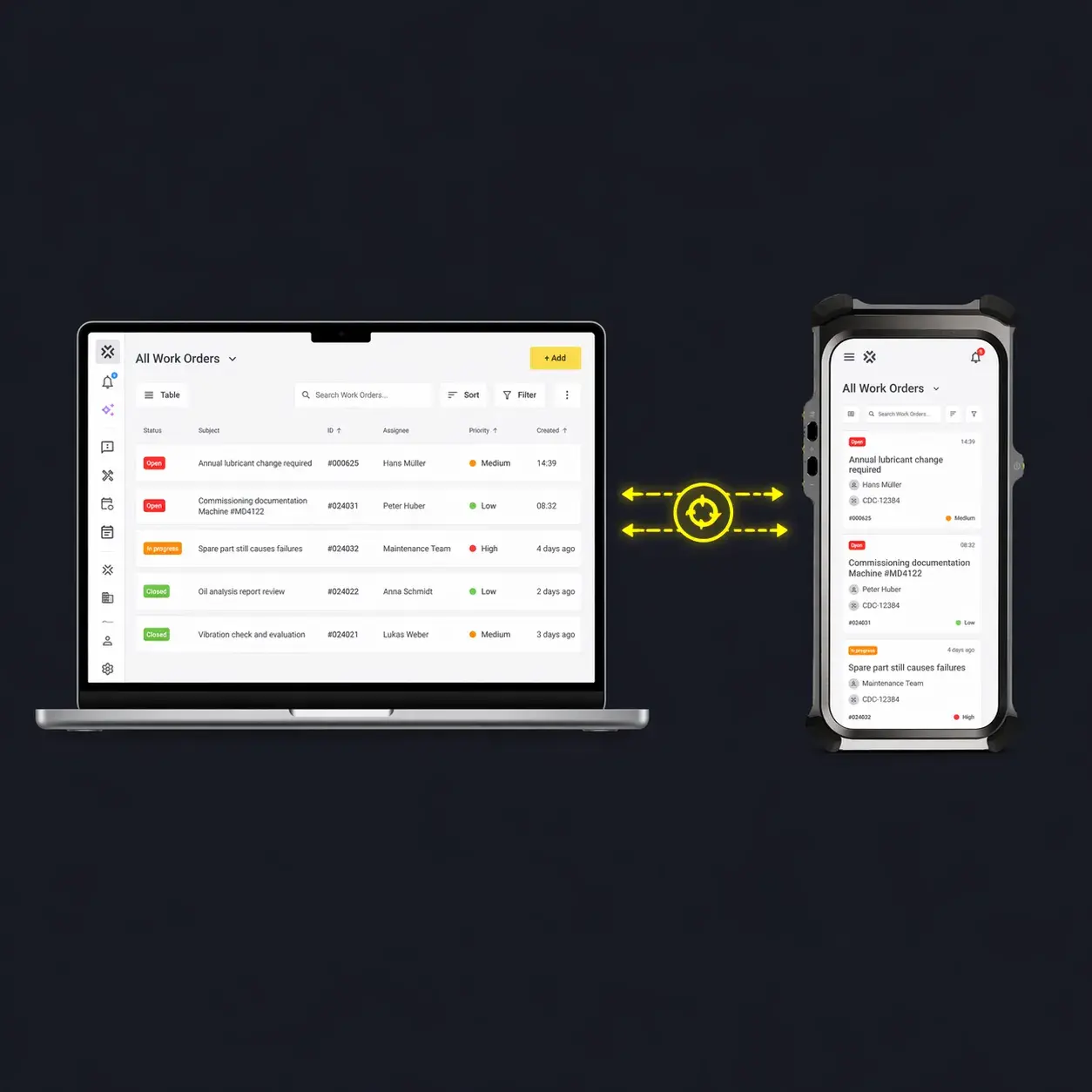
A significant share of plant equipment isn't connected to a control room. Pumps, compressors, heat exchangers, and valves in remote areas are checked manually, with readings written on clipboards and entered into a CMMS hours later. The data is always slightly old and errors often creep in at the transcription step.
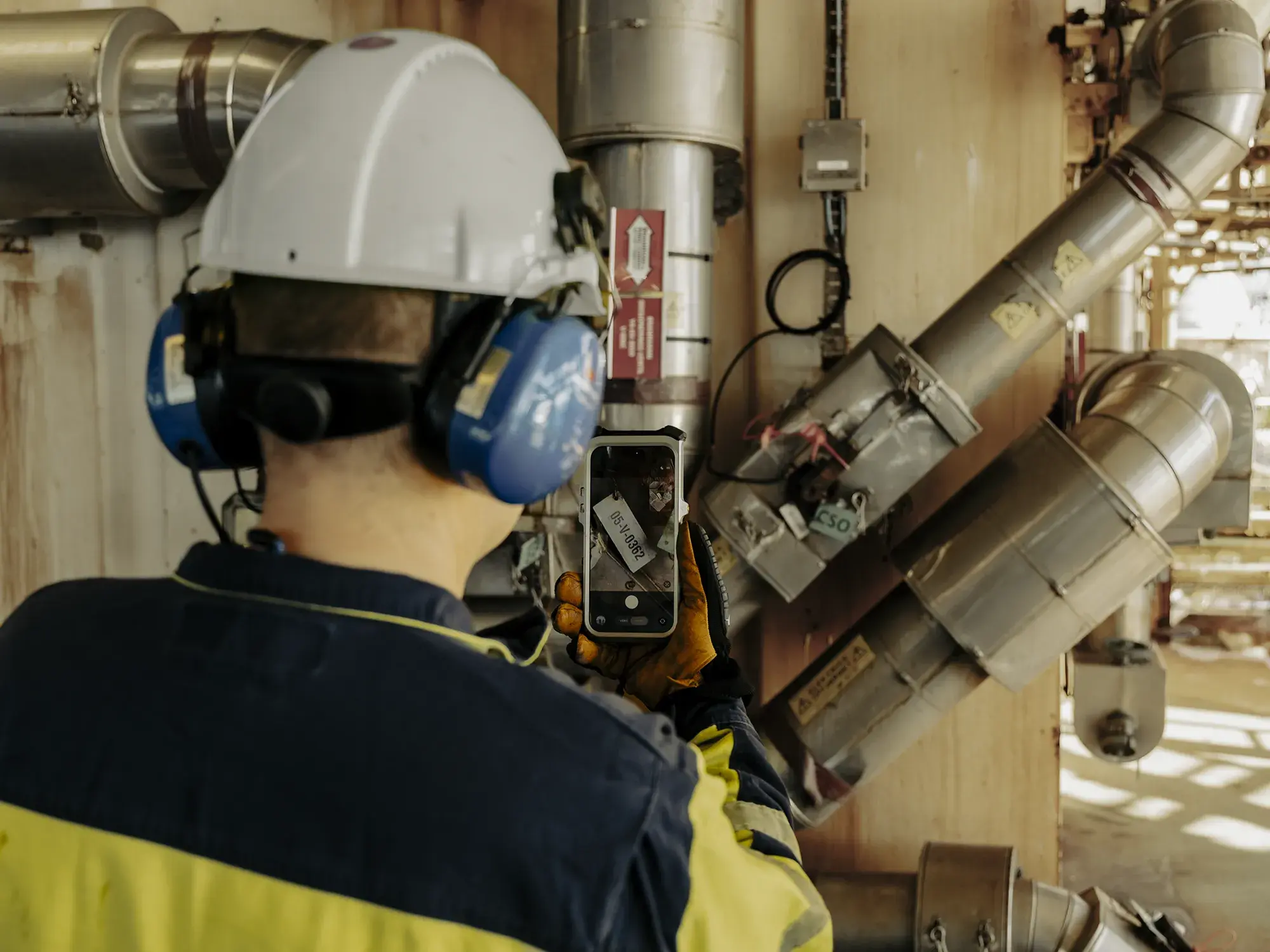
With a certified smartphone, that changes immediately. The technician scans an NFC tag or barcode on the asset, confirms their physical presence with a timestamp, and a dynamic checklist loads on screen. If they report a leak, the app requires photographic evidence and generates a maintenance notification in real time. No batching, no transcription errors.
Thermal cameras and vibration sensors can extend what a single device captures by connecting via Bluetooth or USB-C. The phone becomes the interface for a broader inspection capability that previously required separate specialist equipment.
Remote Expert Support
When something goes wrong on a complex piece of equipment, the answer is rarely in the field worker's head. In a traditional setup, you either wait for a specialist to travel to the site or try to talk them through the problem on a voice call.
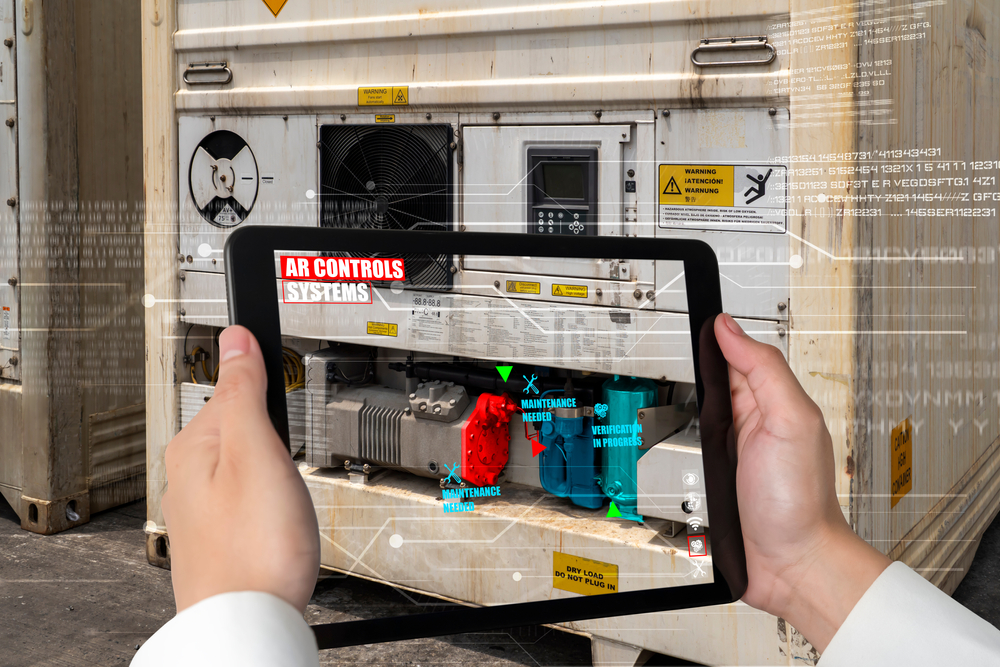
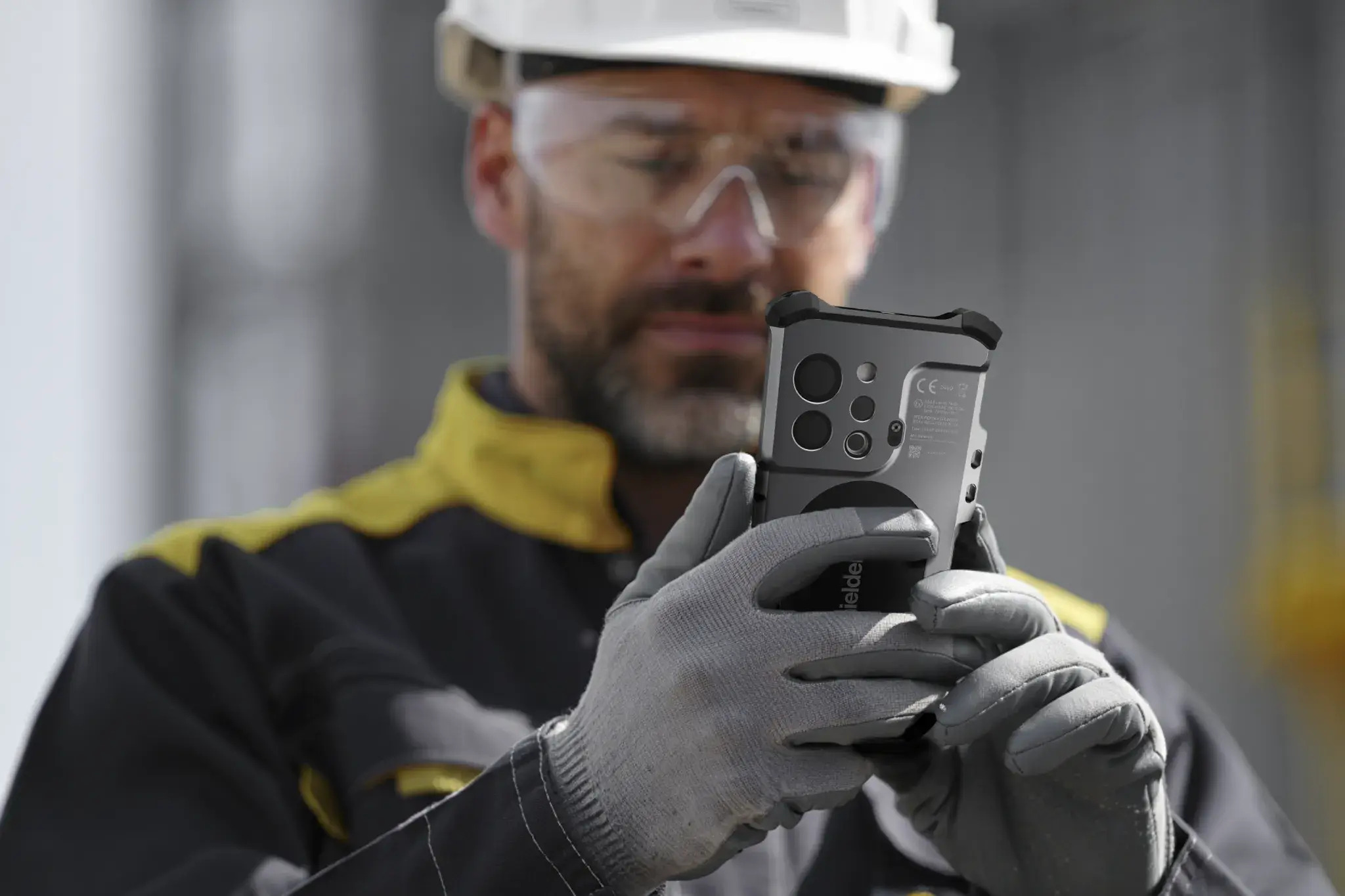
Connected worker platforms built for oil and gas environments change that dynamic. A technician with an explosion proof phone can share their live camera feed with an engineer anywhere in the world. That engineer can draw directly onto the technician's screen, with annotations anchored to physical objects in the view: arrows on the correct valve, labels on specific fittings, step-by-step guidance through a repair.
For offshore operations specifically, the economics are significant. Dispatching an expert by helicopter can account for up to 37% of the total cost of unplanned downtime. Remote expert platforms eliminate those logistics entirely while reducing the safety risk that comes with putting a specialist unfamiliar with a specific rig into a high-noise, high-wind environment.
Real-Time Production Monitoring
Upstream field workers are using tablets and phones to access wellhead telemetry, monitor flow rates and pressure differentials, and respond to alerts from predictive analytics platforms. When sensor data deviates from baseline, the system flags it on the worker's device immediately. The time between anomaly and intervention compresses from hours to minutes.
AI-driven systems working in combination with mobile interfaces have demonstrated up to 80% reductions in non-productive time on drilling operations. That's not an incremental improvement. At the cost of a drill day in deepwater, it represents substantial value per well.
HSE Compliance and Digital Audit Trails
Regulators want evidence. Not paper records that can be filled in after the fact, but timestamped, geotagged, photographic documentation of what was done, by whom, and when. A certified smartphone with a connected worker platform delivers exactly that, automatically, as part of the normal workflow rather than as a separate reporting task.
Digital inspection checklists linked to CMMS systems have been associated with 90% audit success rates in the sector. The audit trail is a byproduct of doing the job correctly, not an extra administrative burden on top of it.
The Hardware Question
Software capability is only as good as the device running it. This is where many early industrial mobile programs ran into problems. Ruggedized devices purpose-built for hazardous areas often lagged behind consumer hardware in processing power, camera quality, and display resolution. Workers who used current iPhones in their personal lives were being handed inferior hardware at work.
The camera matters more than people initially expect. AR annotations, remote video feeds, and photographic documentation all depend on image quality. A low-resolution feed makes it harder for a remote expert to give useful guidance. Poor photo quality undermines the evidentiary value of inspection records.
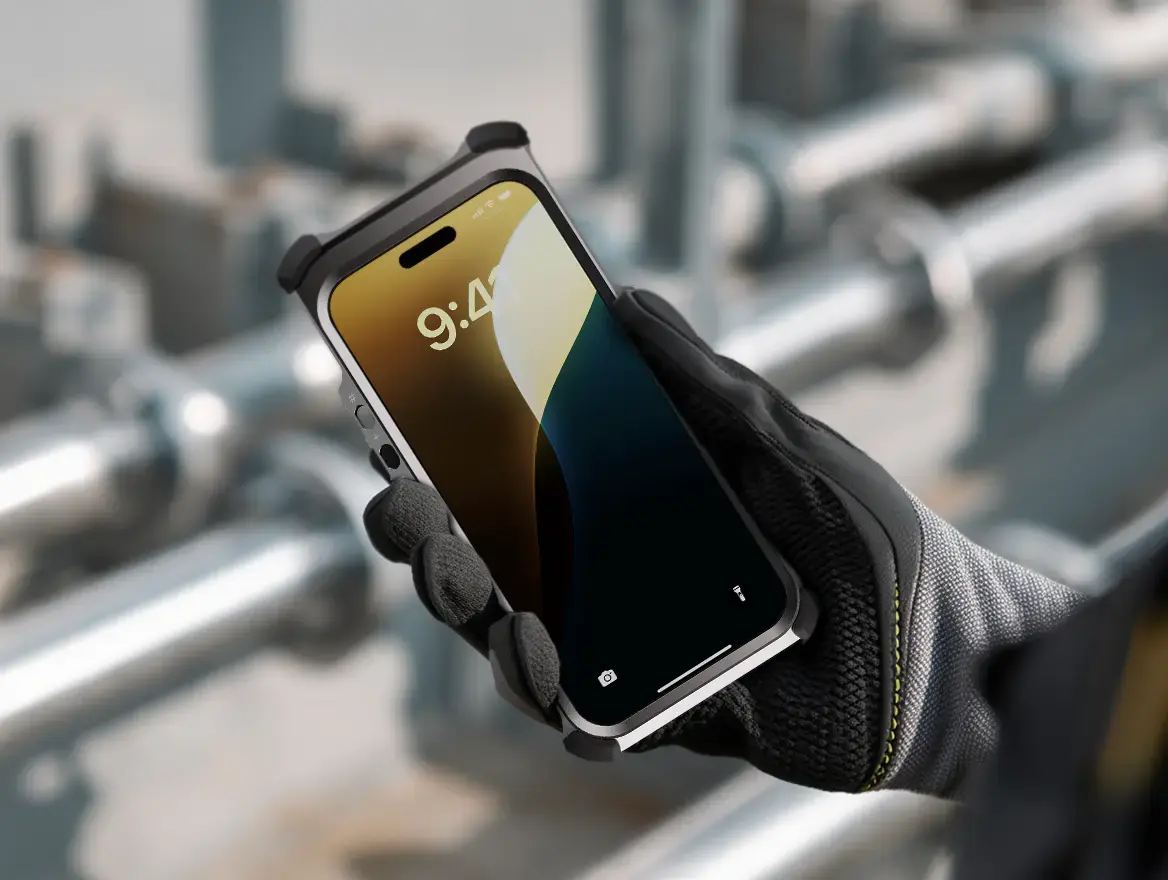
Apple's latest iPhones, including the iPhone 16 Pro Max and iPhone 17 Series, address these requirements directly. The camera system is among the best available on any device. The processing power handles demanding connected worker platforms without lag. And the familiarity of iOS reduces training overhead in a workforce that largely already uses iPhones personally.
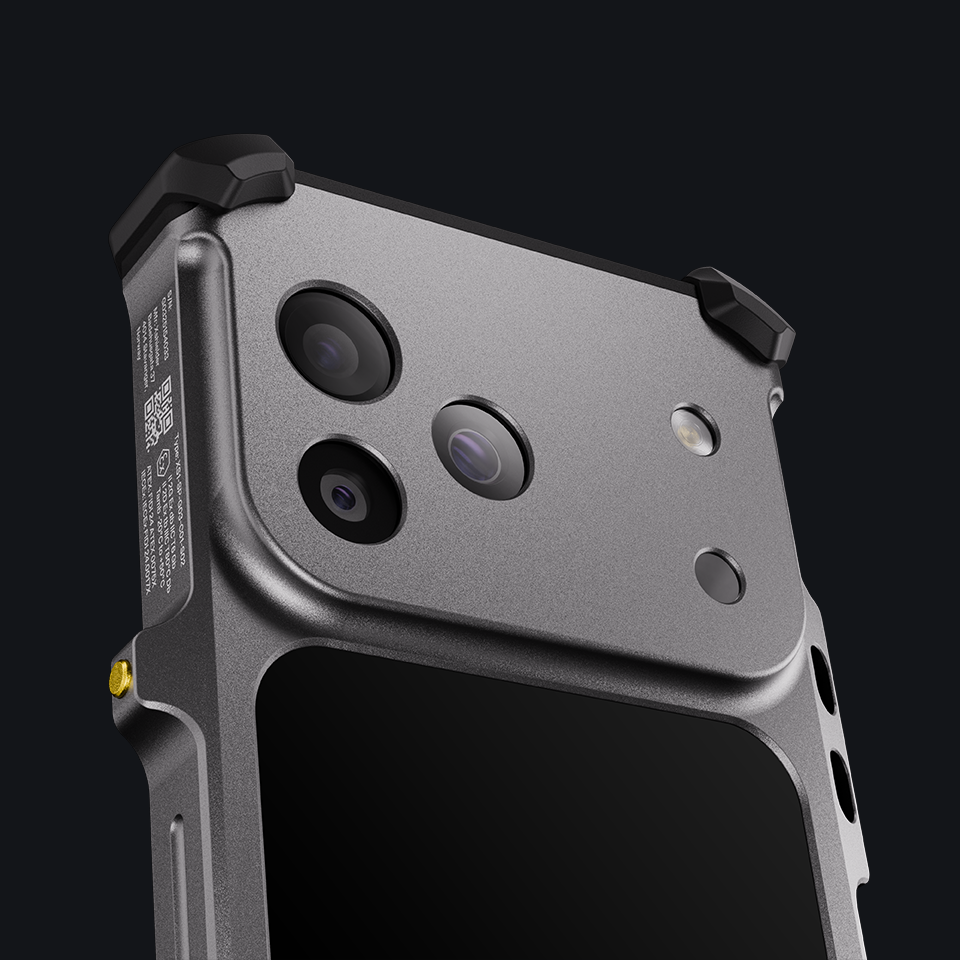
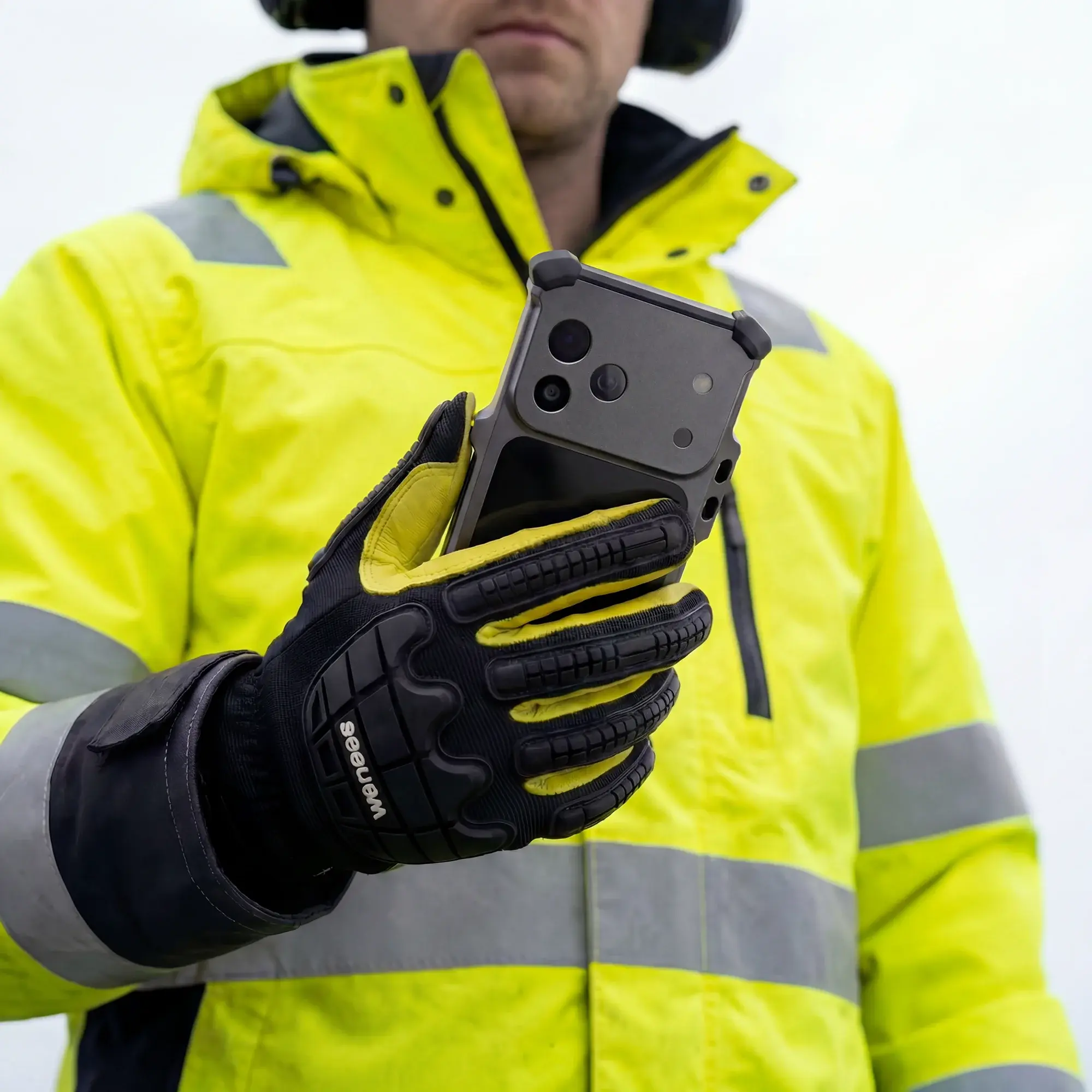
XShielder combines the latest iPhone 16 Pro Max and iPhone 17 Series with a patented, Ex-certified enclosure, enabling organizations to deploy flagship Apple hardware while meeting Zone 1 and Zone 21 hazardous-area certification requirements. Aker BP adopted this approach by co-developing an Ex-certified iPhone enclosure with XShielder for offshore operations. The deployment initially covered approximately 450 devices and later expanded to more than 1,000 as workers recognised the productivity and usability benefits.
Ergonomics also play an important role in day-to-day adoption. A lightweight design, glove-friendly operation, and an intuitive user interface help reduce operator fatigue and make the device practical for workers spending full shifts in hazardous-area environments.
Future Trends: Where Mobile in Oil and Gas Is Heading
The next phase of mobile integration in the sector is less about introducing new technologies and more about deepening the ones already in use.
Private 5G networks are increasingly complementing or replacing Wi-Fi in selected offshore platforms and large industrial facilities, depending on application requirements. The technical case is straightforward: 99.999% availability, latency as low as 1 millisecond, and the capacity to support up to 1 million devices per square kilometers simultaneously. For operations where a dropped connection during a safety-critical action has real consequences, those specs are not theoretical improvements. They change what's possible operationally.
Non-terrestrial networking, integrating Low Earth Orbit satellite connectivity into the 5G ecosystem, is extending this infrastructure to assets beyond the reach of terrestrial networks. Pipeline routes stretching across thousands of miles and deep-sea platforms operating in remote maritime environments can now maintain continuous, managed connectivity. Hybrid architecture automatically transitions between terrestrial and satellite coverage through a single management interface.
Autonomous operations are the logical endpoint of connected field infrastructure. Robots and drones carrying out routine inspection tasks in the most dangerous environments, guided by mobile-enabled control systems and AI analytics, are moving from demonstration projects toward standard deployment. That shift reduces human exposure to the sector's highest-risk locations, which is ultimately the point.
The connected worker model, pairing a capable explosion proof iPhone with private 5G and AI-driven analytics, is the infrastructure layer this future depends on.
In the GCC, GravitEx supports industrial organizations in evaluating, deploying, and integrating XShielder solutions into inspection, maintenance, HSSE, and connected worker programs. As XShielder's exclusive Golden Partner, GravitEx provides engineering consultation, deployment guidance, and local technical support to help customers successfully implement hazardous-area mobility.
Ready to Modernize Your Connected Workforce?
Whether you're deploying digital inspections, mobile maintenance, or connected worker solutions, GravitEx can help you select and implement the right hazardous-area mobility solution for your operational requirements.