Tuesday, September 15th 2026
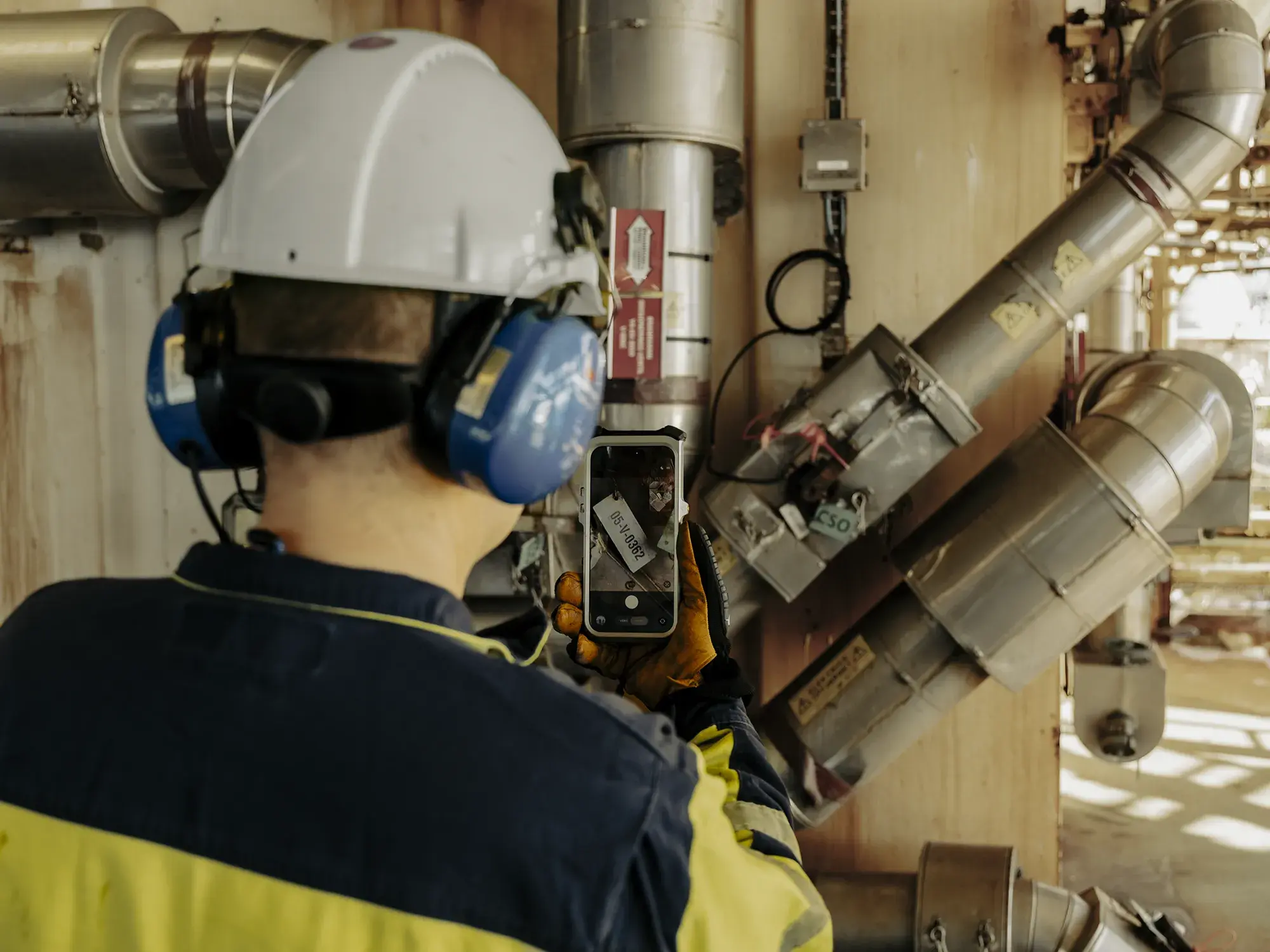
Using Intrinsically Safe Phones for Asset Management & Data Capture
Originally published by XShielder. Adapted by GravitEx for hazardous-area mobility applications across the GCC.
Asset management in hazardous areas has always been a challenging problem. Not because technology hasn't existed, but because getting accurate, real-time data from environments where conventional phones and tablets aren't rated for use has historically forced workers into paper-based workarounds. That creates lag, transcription errors, and gaps in the maintenance record that can have serious consequences.
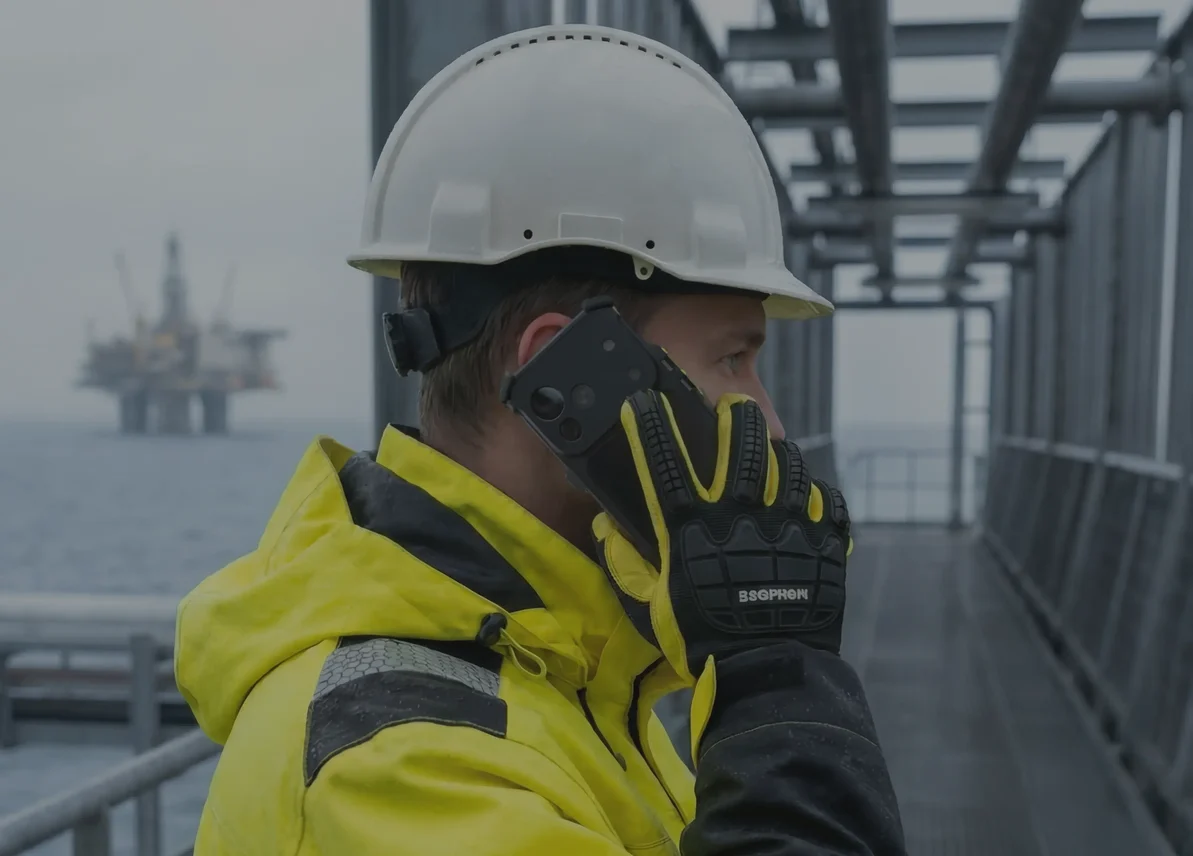
The shift toward mobile-first asset management in oil and gas, offshore, and chemical processing has been steady. The question that safety managers and procurement teams are increasingly asking isn't whether mobile devices belong on site — it's how to use these devices to their maximum capacity, and which devices are up to the task.
RFID and NFC: Fixing the Asset Identity Problem
Before any data can be captured or acted on, the asset itself needs a reliable digital identity. Barcodes can become difficult to read when they're dirty, worn, or obscured. Manual entry also introduces the possibility of human error, particularly when technicians are working under pressure or wearing bulky PPE.
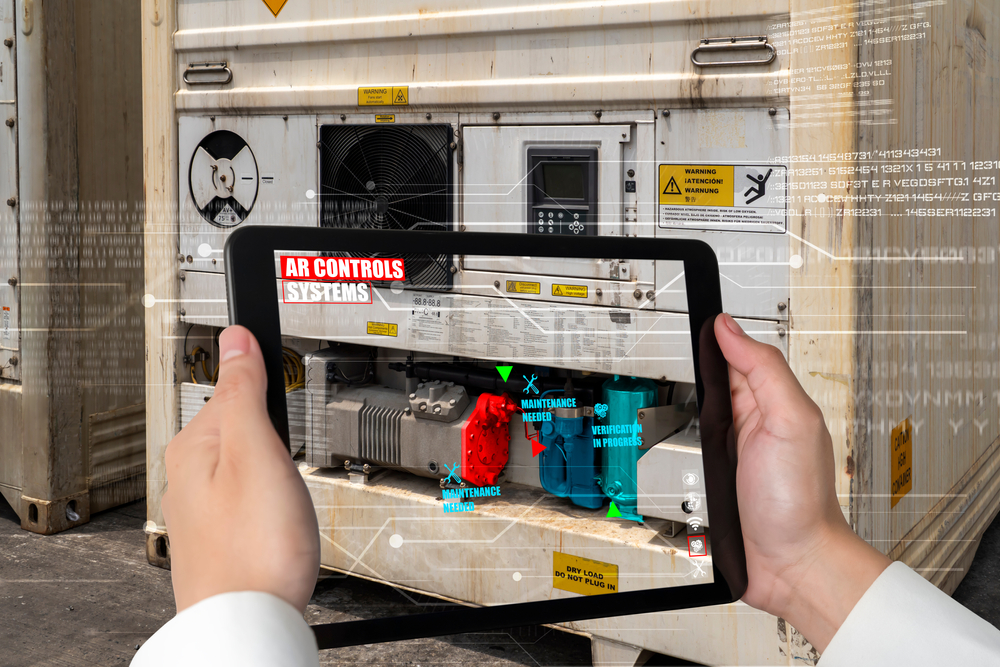
RFID and NFC tags change the equation. Ruggedised RFID tags can survive demanding industrial environments where conventional labels may not be suitable. The tag stores the asset's identity; the mobile device reads it — reducing manual entry and simplifying asset identification.
For a handheld mobile scanner paired with an intrinsically safe or explosion-proof phone, the practical applications are significant. Full-lifecycle drill pipe monitoring can track operational hours and fatigue cycles, helping identify components before they reach defined maintenance or replacement thresholds.
In equipment yards, RFID can enable rapid identification and location of specific assets, improving check-in/check-out processes that would otherwise require significant manual effort.
RFID-based identification also helps eliminate transcription errors associated with manual processes, ensuring that the data captured corresponds with the correct asset record. When that information feeds into an ERP or asset management system, organisations can establish a more consistent source of information across maintenance, procurement, and safety functions.
One application worth highlighting is Safety Data Sheet access in chemical environments. Scanning an RFID-tagged container with a mobile device can provide workers with immediate access to the relevant SDS, including information on extinguishing agents, first-aid procedures, and PPE requirements.
AI-Assisted Documentation in the Field
Reading an asset's identity is one thing; documenting its condition accurately is another.
On-device AI processing is increasingly finding applications in industrial workflows, particularly for video documentation and low-light inspection.
Action stabilisation addresses the practical reality of workers moving through complex industrial sites. Footage that might otherwise be difficult to review can remain clear enough for remote specialists assessing a field walkthrough.
For sites where specialist expertise is distributed across different locations, this capability can support remote expert workflows without requiring the specialist to be physically present at the asset.
Low-light and night-shift operations are another area where computational photography can provide practical value. Identifying leaks, mechanical wear, corrosion, or fluid seepage in poorly illuminated areas requires sufficient image quality to capture relevant details.
The ability to produce high-quality field documentation can therefore help technicians record conditions at the point of inspection rather than postponing documentation until better lighting or additional equipment becomes available.
Beyond conventional photography, compatible thermal imaging accessories and applications can further extend the role of mobile devices in preventative maintenance. Thermal information can help identify abnormal temperature patterns associated with electrical components, bearings, machinery, tanks, and other equipment.
When this information is combined with digital workflows and analytics, routine field inspections can become a richer source of condition-monitoring data.
LiDAR for Structural Monitoring and Volumetric Analysis
Where RFID and photography capture what an asset is and how it looks, LiDAR adds information about the physical environment around it.
LiDAR calculates distance by measuring how long emitted light takes to return from a surface, creating a three-dimensional depth representation of the surrounding environment.
In consumer devices, the technology is widely associated with augmented reality. In industrial applications, however, it can support several practical field workflows.
Structural and dimensional documentation is one example. LiDAR-equipped mobile devices can capture spatial information that can support monitoring, comparison, and documentation of structures and equipment.
As-built documentation can also benefit from this capability. LiDAR-based 3D scanning provides a digital representation that can be stored and compared over time, helping teams identify changes between inspection periods.
For civil, construction, and earthworks applications, point-cloud data can also support certain field measurements and volumetric assessments, such as stockpile or space calculations, when used with appropriate software and validated workflows.
Why the iPhone 17 Pro Max is a Powerful Device for Asset Management & Data Capture
The workflows described above have traditionally required multiple purpose-built rugged devices, each performing a specific function.
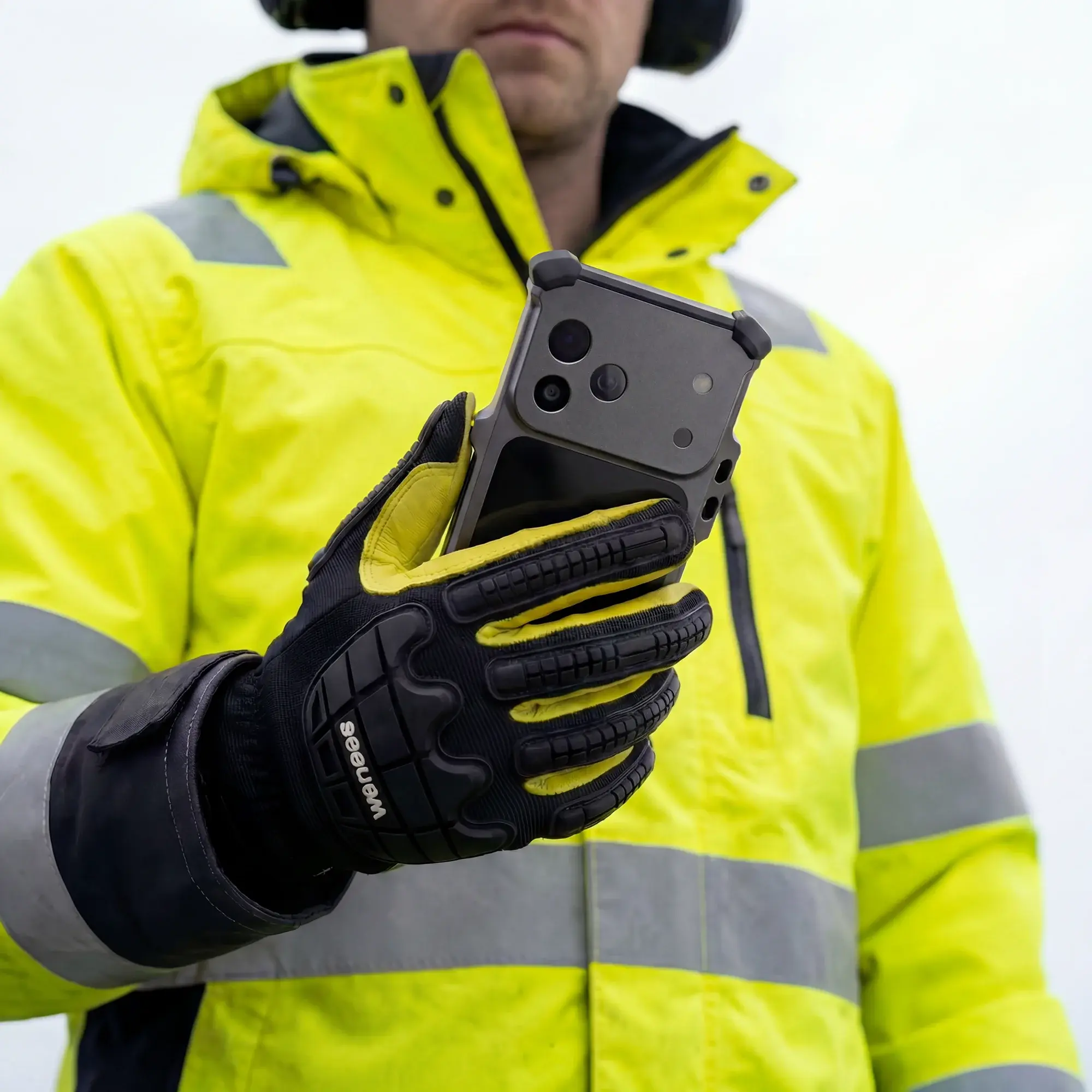
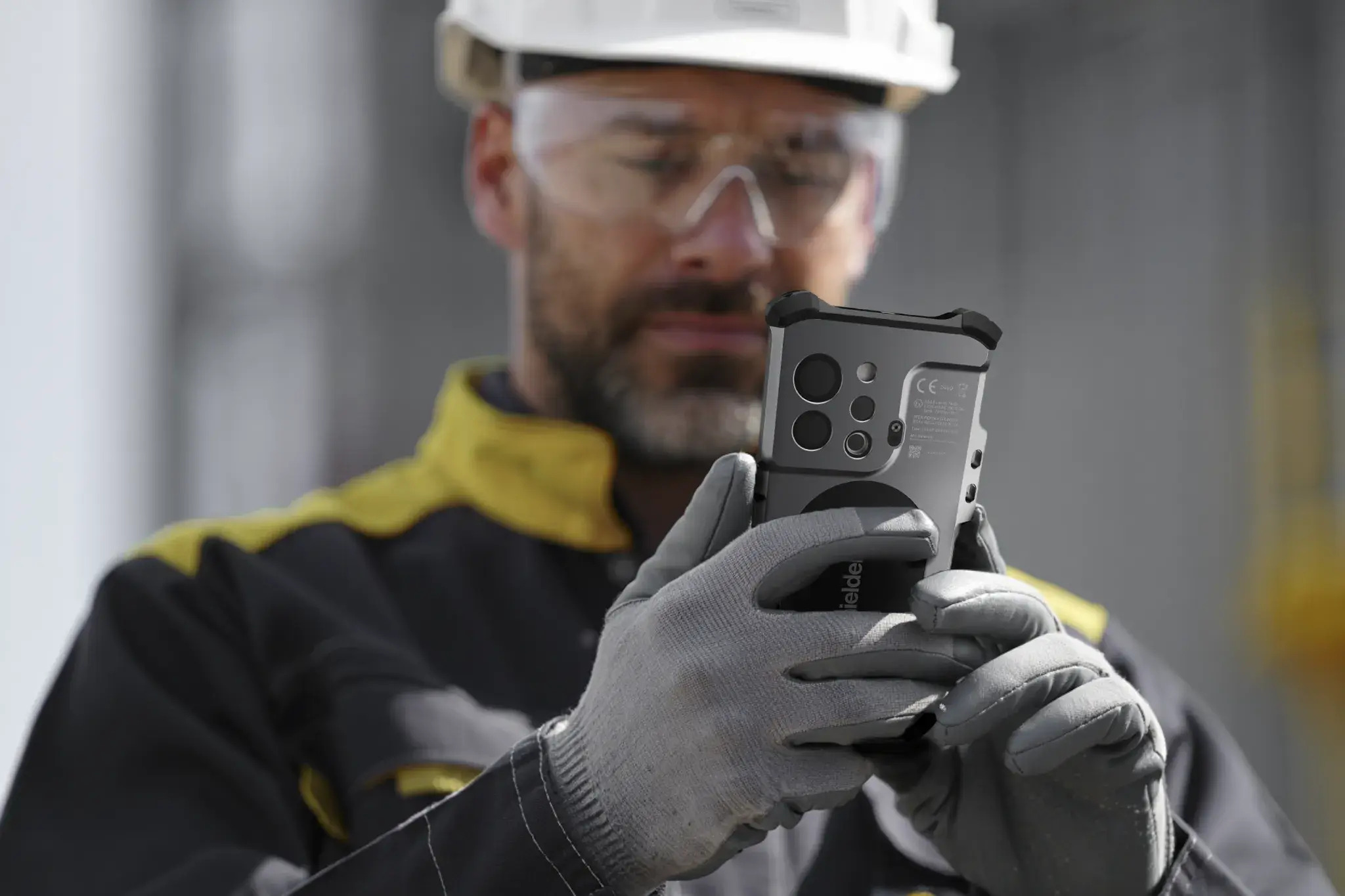
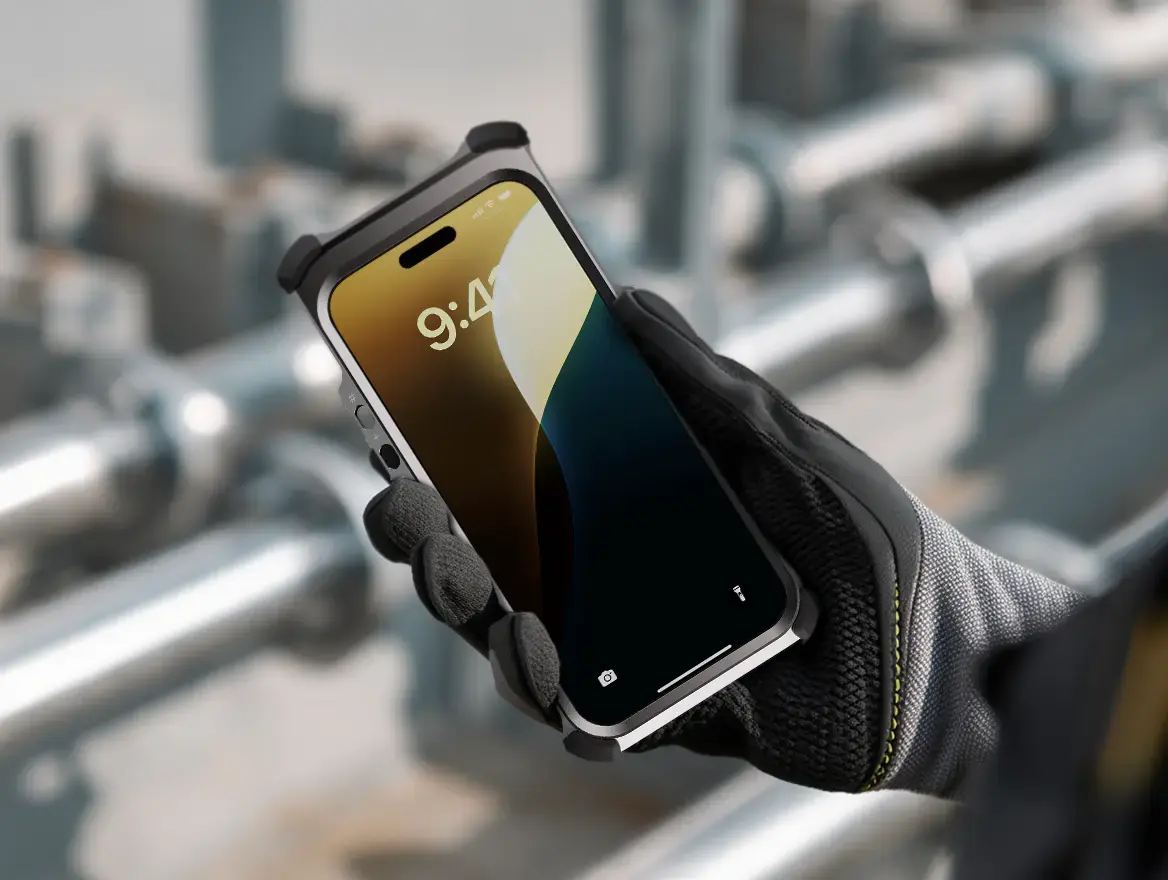
Using a modern iPhone combined with an ATEX/IECEx-certified XShielder solution changes that approach by bringing multiple digital capabilities onto a single hazardous-area mobile platform.
For NFC-based data capture, the iPhone's integrated NFC capabilities can support asset identification and digital workflow applications. Workers can identify tagged assets, retrieve relevant documentation, and interact with compatible enterprise applications without leaving the hazardous area or switching between multiple devices.
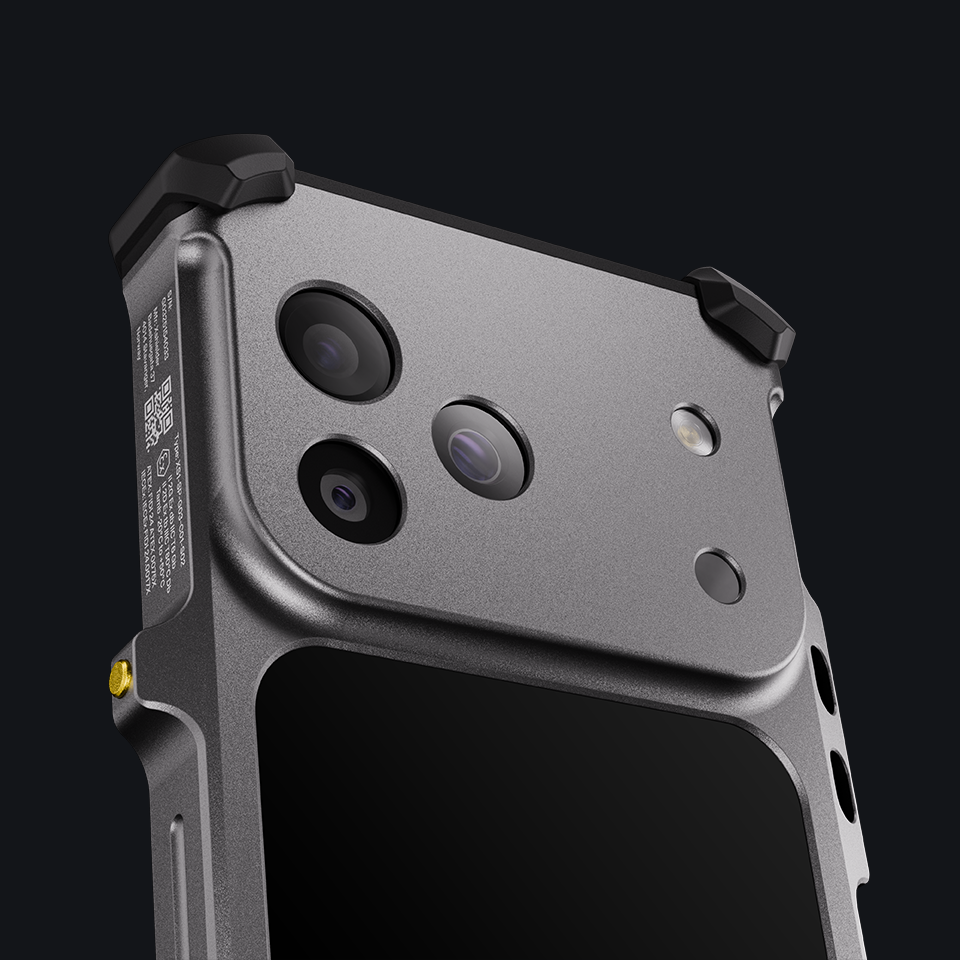
For documentation, the iPhone 17 Pro Max camera system provides advanced stabilization, computational photography, and low-light capabilities that can support demanding inspection environments.
For LiDAR applications, the iPhone 17 Pro Max includes an integrated LiDAR scanner that can be used with compatible third-party applications for 3D scanning, spatial documentation, and selected measurement workflows.
Modern wireless connectivity further supports the connected-worker model by enabling field information to move from the point of capture into authorised digital systems, subject to the site's network architecture and cybersecurity policies.
The practical outcome is a connected worker who can use one mobile platform across multiple asset-management and field-data workflows without repeatedly moving between the hazardous area and the office simply to access digital tools.
For procurement and IT/OT teams, this can also simplify device management and application deployment while reducing dependence on multiple specialized handheld devices.
Connecting Field Data with Enterprise Workflows
The real value of hazardous-area mobility goes beyond the mobile device itself.
Asset identification, photographs, inspection records, maintenance information, digital forms, and other field data become more valuable when they relate to the systems organizations already use to manage their operations.
With the appropriate applications and infrastructure, Ex-certified mobile devices can support workflows involving:
- Asset identification using NFC, RFID, QR codes, or barcodes
- Digital inspection and maintenance forms
- Photo and video documentation
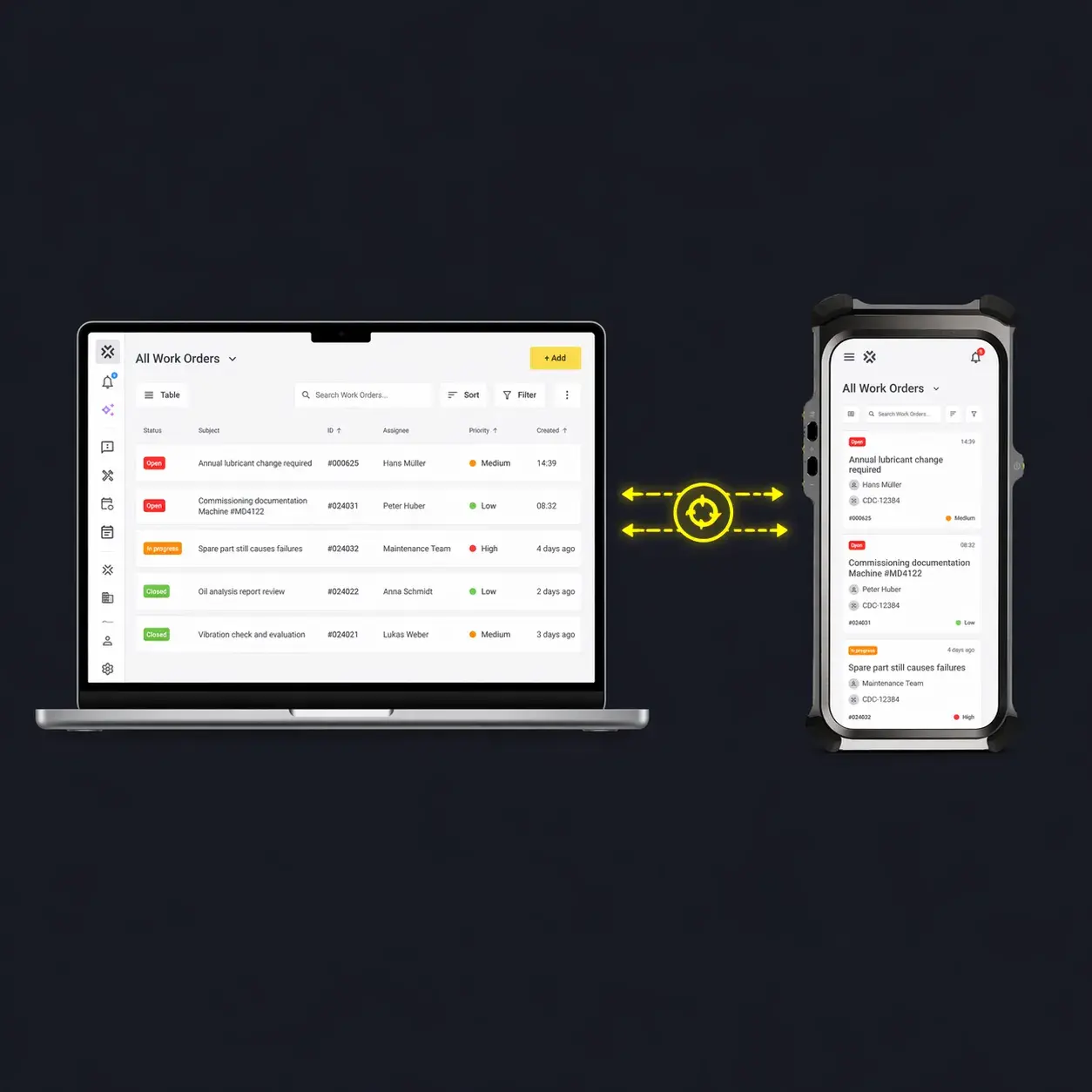
- Work-order access and updates
- Safety documentation and SDS access
- Remote expert collaboration
- ERP, EAM, and CMMS workflows
- 3D scanning and spatial documentation
- Real-time or synchronized field data capture
This allows organizations to reduce the gap between what technicians observe in the field and the information available to maintenance, engineering, safety, and operations teams.
Bringing Connected Asset Management into Hazardous Areas
Digital asset management is most effective when field personnel can capture and access information directly where the work takes place.
Combining modern mobile technology with certified hazardous-area protection enables organizations to extend digital inspection, maintenance, and asset-management workflows further into classified environments — while maintaining the usability and performance expected from modern mobile devices.
XShielder Ex-certified mobile solutions are available across the GCC through GravitEx.