Tuesday, September 15th 2026
Why an Intrinsically Safe Camera is Key for Hazardous Site Inspections
Originally published by XShielder. Adapted by GravitEx for hazardous-area mobility applications across the GCC.
In 2026, an inspection report is only as useful as the images that live inside it. A blurred, underexposed shot of a corroded flange tells you very little. A sharp, well-lit 48MP close-up tells a maintenance planner exactly what they're dealing with, without a return visit.
In this blog, we’re going to cover why camera quality is essential for hazardous-area inspections, the features that are expected in 2026, and the specific camera that you might want to consider.
The documentation gap in hazardous area maintenance
To understand why high-quality photos are non-negotiable, we have to look at how information usually gets lost between the field and the office. Written descriptions are subjective; one person’s “minor surface rust” is another person’s “structural integrity risk.” This creates a documentation gap that can lead to expensive mistakes or safety oversights.
Visual evidence has become the standard for defensible audit trails because it removes the guesswork. Regulators and safety auditors no longer want to just take your word for it – they want to see the evidence.
- Objective Evidence: A photo doesn't have an opinion. It shows the exact state of a bolt or a seal at a specific moment in time, providing a factual baseline for future comparisons.
- Reduced Ambiguity: When a maintenance planner in an office miles away looks at a high-quality image, they see the same reality the technician saw in the field.
- Audit Readiness: During a safety audit, being able to pull up high-resolution, time-stamped images of every critical asset demonstrate a level of diligence that a handwritten logbook simply cannot match.
What features are required for a useful inspection photo?
When the goal is to make an engineering decision based on a photo, that photo needs to capture specific details. This requires a hardware suite that can overcome high-contrast lighting, tight physical tolerances, and the lack of a stable tripod.
- High Resolution and Large Sensors: A 48MP sensor provides the spatial resolution necessary to zoom into a 12MP crop without losing the definition of a hairline crack. Larger sensors also improve the signal-to-noise ratio, ensuring that “noise” or graininess doesn't obscure the actual texture of the metal.
- Macro Capability with Short Focal Distance: You need a lens system that can focus within centimeters. This allows for the inspection of thread integrity on a bolt or the identification of microscopic pitting on a gasket seat that standard lenses would simply blur.
- Low-Light Sensitivity and Computational Photography: Hazardous areas such as storage tanks or pump rooms often have “hot spots” of bright light and deep shadows. Features like Night Mode and Smart HDR use multiple exposures to ensure the dark corners are visible without blowing out the highlights.
- Optical Zoom vs. Digital Zoom: Digital zoom and optical zoom are two very different things. Digital zoom is software interpolation – it estimates the missing pixels. Optical zoom uses the camera's lens system to bring distant objects, such as overhead cable trays or high-pressure gauges, closer while preserving image detail.
- Optical Image Stabilization (OIS): When working on a vibrating offshore platform or holding a device with one hand while wearing thick PPE, OIS is essential. It uses lens or sensor-shift technology to counteract hand movement, helping prevent motion blur in the final shot.
- LiDAR Depth Mapping: Light Detection and Ranging (LiDAR) allows the camera to understand the 3D geometry of a scene. This can support autofocus in challenging low-light environments and enable additional depth and measurement capabilities.
What's the best intrinsically safe camera for hazardous inspections?
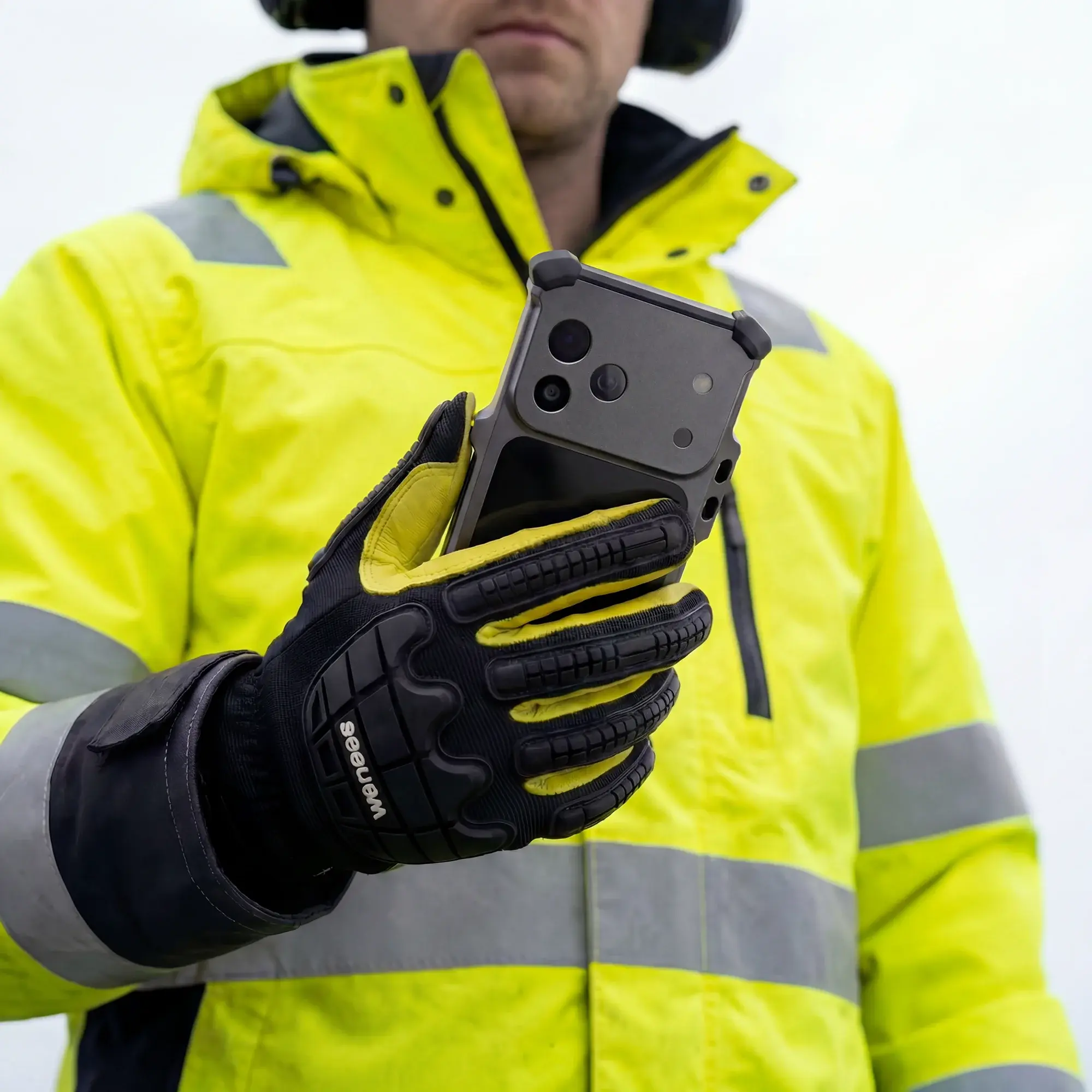
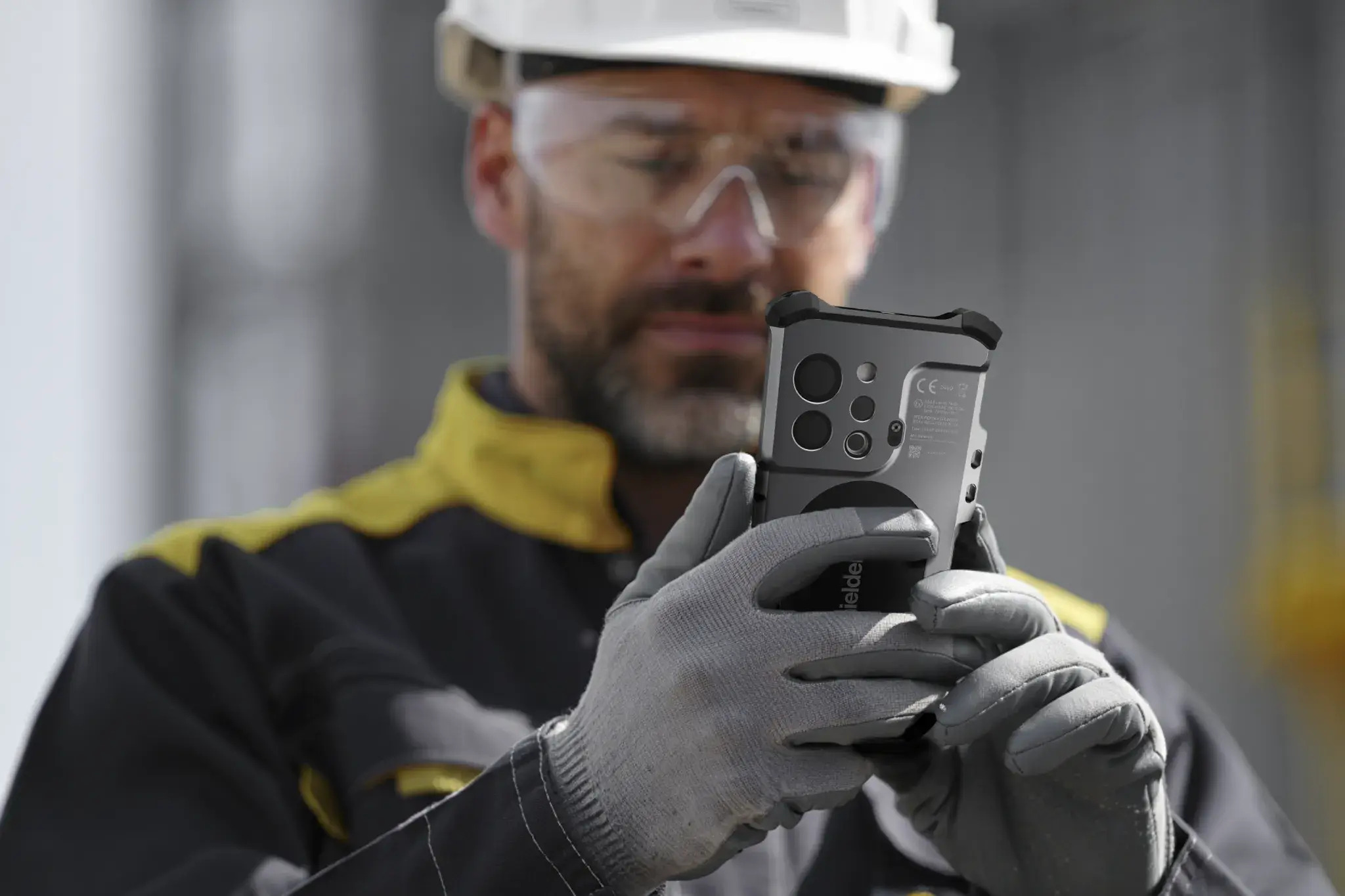
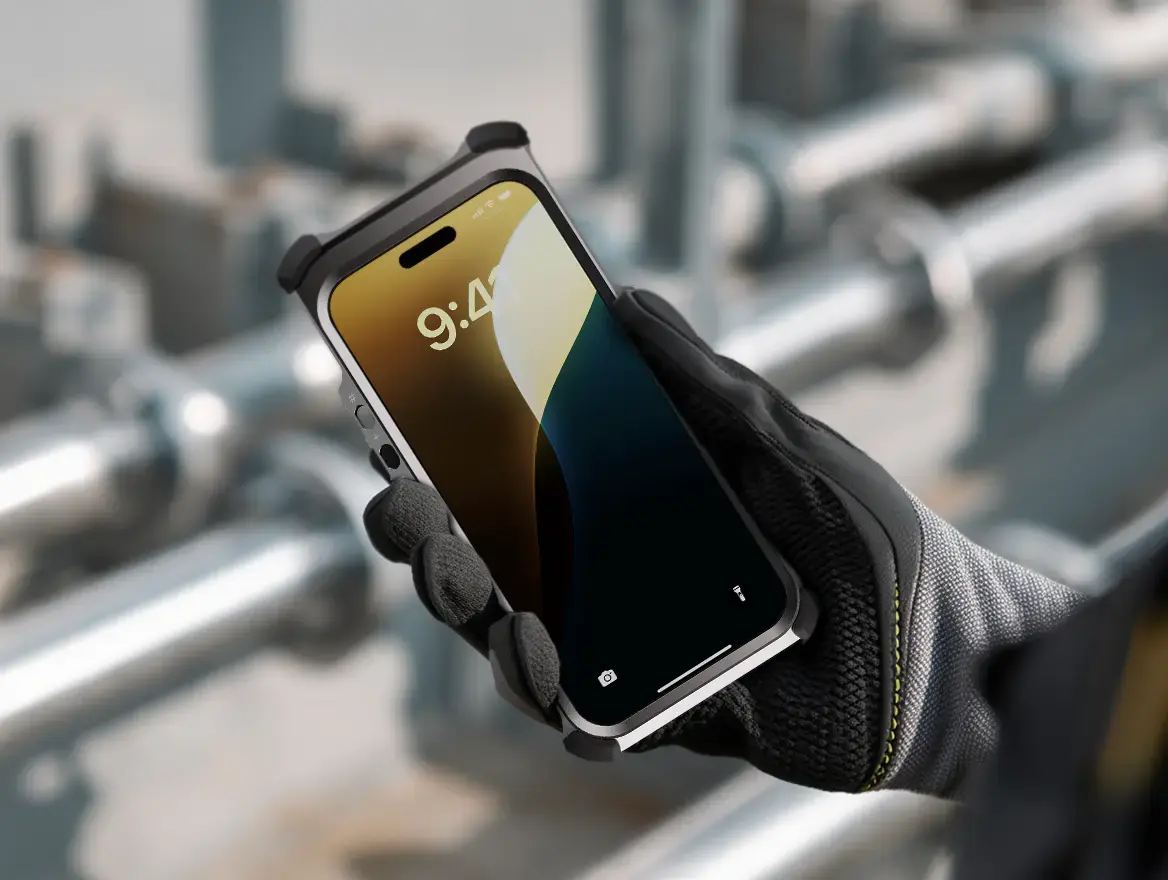
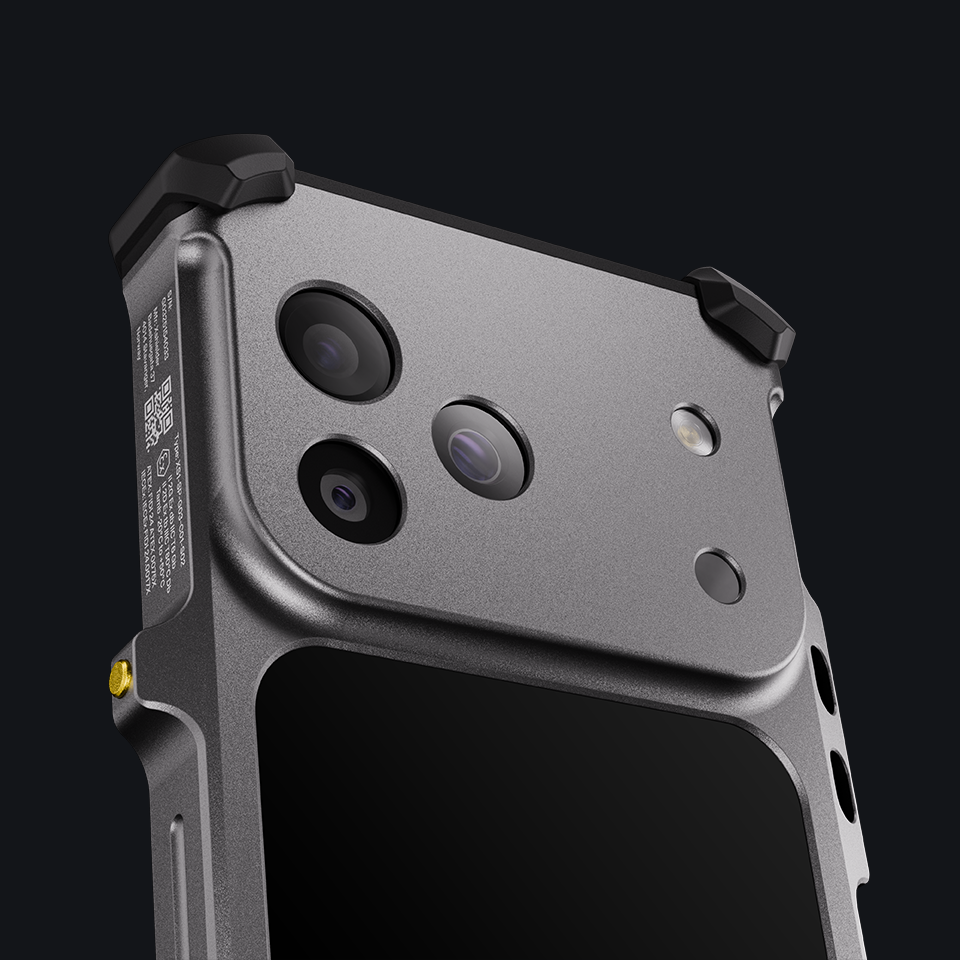
When choosing a device for Zone 1 environments, the term “intrinsically safe” often brings to mind bulky, specialized cameras with outdated software. However, an iPhone 17 Pro Max housed within an XShielder explosion-proof enclosure provides a highly capable camera platform for hazardous-area documentation.
The iPhone 17 Pro Max provides a technical feature set designed to support demanding inspection and documentation workflows.
Unmatched Clarity
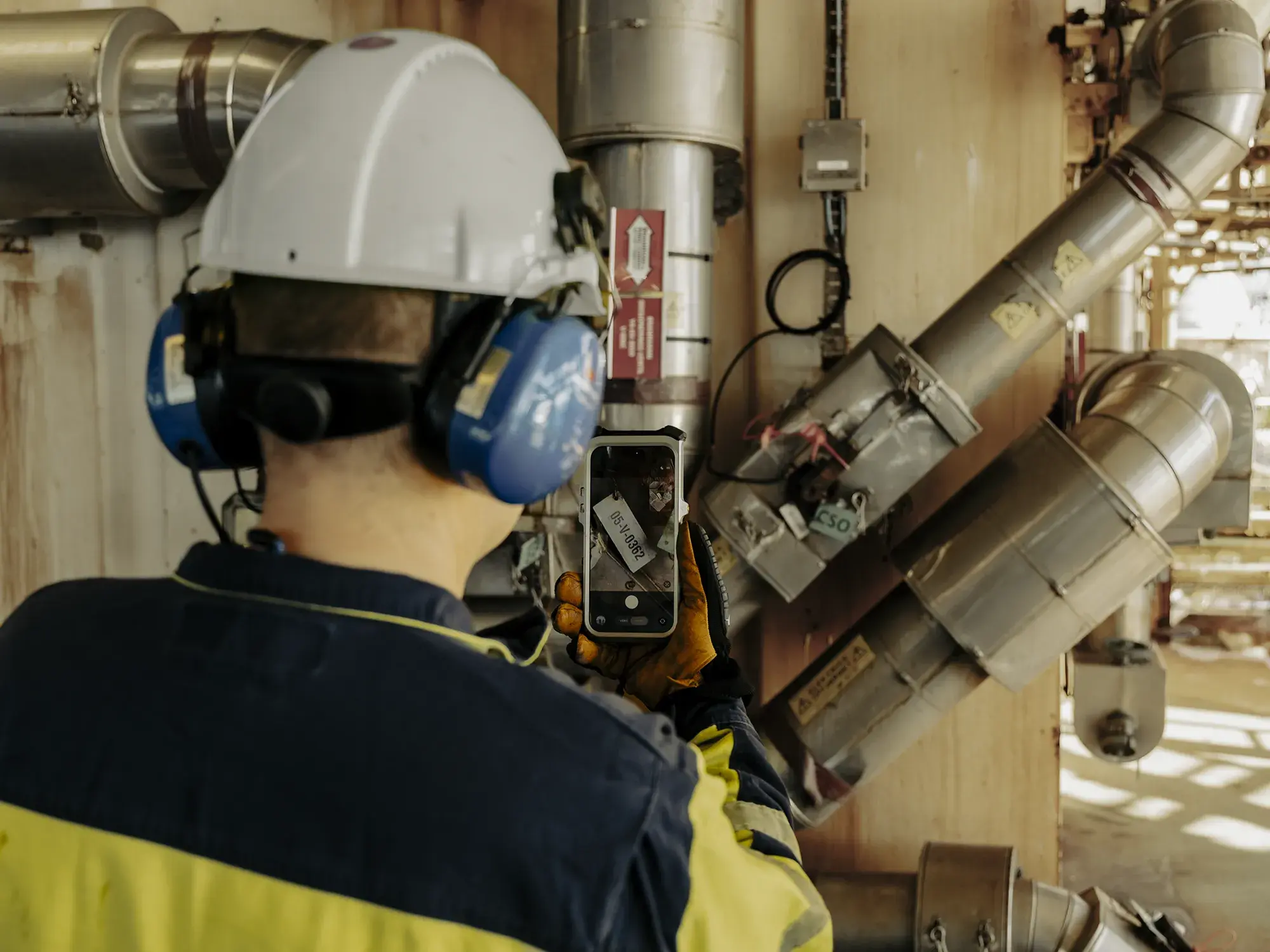
While many dedicated Ex cameras use lower-resolution imaging systems, the iPhone’s 48MP Pro Fusion system provides the detail required for demanding field documentation. Even after cropping a photo to examine a specific serial number or equipment detail, critical information can remain clearly visible.
Adaptive Optical Zoom
With advanced zoom capabilities, technicians can document equipment from a practical working distance while still capturing detailed close-ups. This can be particularly useful when documenting elevated equipment, gauges, cable trays, or assets where direct physical access is difficult.
Macro and LiDAR for Precision
The iPhone's macro capability and LiDAR scanner provide additional tools for documenting close-up details and understanding the surrounding environment. These capabilities extend the range of inspection scenarios that can be handled using a single mobile device.
Vibration Resistance
Sensor-shift optical image stabilization helps compensate for movement and vibration, supporting sharper photos and more stable video when technicians are working in demanding industrial environments.
Contextual Audio
High-quality documentation isn't only visual. Advanced microphones and Spatial Audio recording can provide additional context when documenting machinery, equipment behavior, or other field conditions alongside video.
Why the device in the case changes the outcome
For a long time, safety managers have had to balance hazardous area certification requirements against the performance and usability expected from modern mobile technology.
Using a high-performance smartphone within a certified XShielder enclosure changes that equation. Teams can access modern imaging, processing, connectivity, and application capabilities while using a mobile solution designed for hazardous-area environments.
For organizations requiring inspection-grade imaging, advanced camera capabilities, optical zoom, and LiDAR in hazardous areas, the XShielder iPhone 17 Pro Max provides a modern alternative to conventional dedicated inspection cameras.
Integrating images into asset management workflows
The final piece of the puzzle is what happens after the shutter clicks, because a great photo provides limited operational value if it remains in a local gallery for weeks.
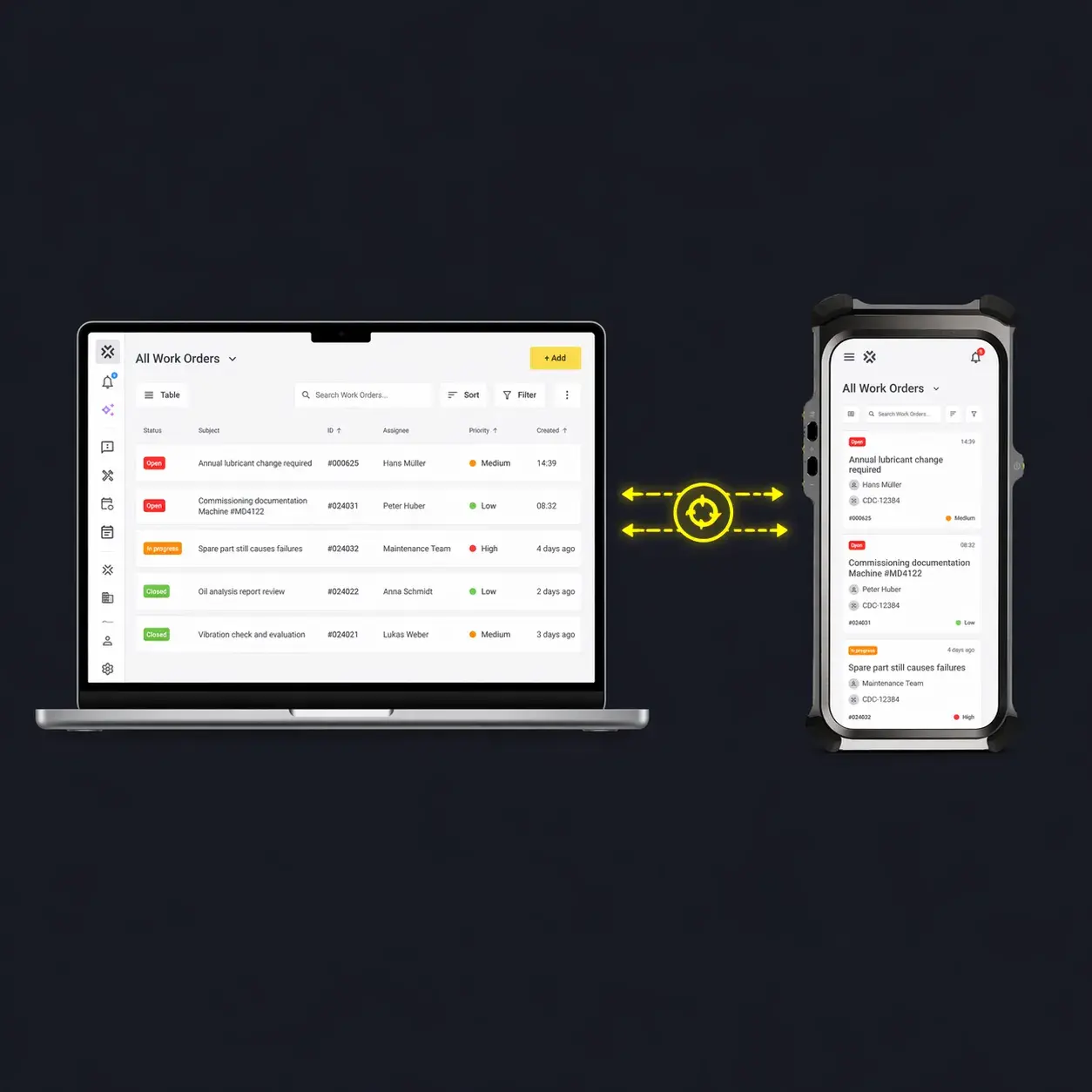
The added capability of using a modern connected device is the ability to bridge the gap between the hazardous area and enterprise maintenance and asset-management systems.
- Instant Sync: Instead of carrying a standalone camera back to the office and manually transferring images, photos can be synchronized through approved Wi-Fi, cellular, cloud, or enterprise workflows.
- Automatic Metadata: Smartphones can associate useful metadata such as timestamps and location information with captured images, supporting more structured field documentation.
- Direct Integration: Applications such as SAP and IBM Maximo can support mobile workflows, enabling technicians to capture information and attach relevant photographs to inspection or maintenance records directly from the field.
This connected workflow helps ensure that high-quality field data becomes available for inspection, maintenance, and asset-management activities without the additional manual steps associated with conventional standalone cameras.
Bringing inspection-grade mobility into hazardous areas
High-quality imaging is becoming an increasingly important part of digital inspection and maintenance workflows. But the value goes beyond the camera itself. The combination of Ex-certified mobile hardware, modern applications, connectivity, and enterprise integration enables field teams to capture, communicate, and act on information directly from hazardous-area operations.
XShielder hazardous-area mobile solutions are available through GravitEx, supporting organizations across the GCC with product selection, deployment, and integration into connected field workflows.