
Tuesday, September 15th 2026

Top 5 Installation Mistakes in Hazardous Areas
Top 5 Installation Mistakes in Hazardous Areas (and How to Never Make Them Again)
🚨 Why These Mistakes Matter More Than You Think
If you've ever walked through a Zone 1 or Zone 2 site, you know the smell of gas, the heat from a compressor, the thick silence of risk. In hazardous areas, one loose gland, one wrong marking, or one shortcut can be the difference between flawless operation and a catastrophic event. At GravitEx, we've audited installations where a single mistake—an uncertified gland or a misread ATEX marking—risked shutdowns, injuries, or worse. These are the top 5 mistakes we see. Learn them. Avoid them. Engineer smarter.
❌ Mistake #1: Mixing Up Your "Ex" Protection Types
Ever heard someone say, "It’s ATEX certified, so we’re good"? Not so fast. Ex d, Ex e, Ex i—each protection method is designed for a specific risk level, zone, and failure scenario. Misusing them isn’t just wrong—it’s dangerous.
🔍 Example:
Using Ex e (increased safety) terminals inside a Zone 1 gas area requiring Ex d (flameproof) protection.
🚫 Result:
No containment for an internal spark = possible flame path = disaster.
✅ Fix It:
- Know your zone (0, 1, 2) and gas group (IIC = Hydrogen, IIB = Ethylene)
- Ex d: Contains explosion inside. Use in Zone 1/0.
- Ex e: Prevents sparks. Zone 2/1 only where appropriate.
- Ex i: Intrinsically safe, low-energy circuits.
🎓 Fun Fact: Flameproof isn’t spark-proof. “Ex d” is designed to survive explosions, not prevent them.
🧯 Mistake #2: Glanding Gone Wrong
Cable glands are your weakest physical link—and your first defense. Too often, we find:
- Plastic IP66 glands used on Ex d boxes
- Cables not sealed or compound-filled
- Armor clamps missing
🔥 Real Incident:
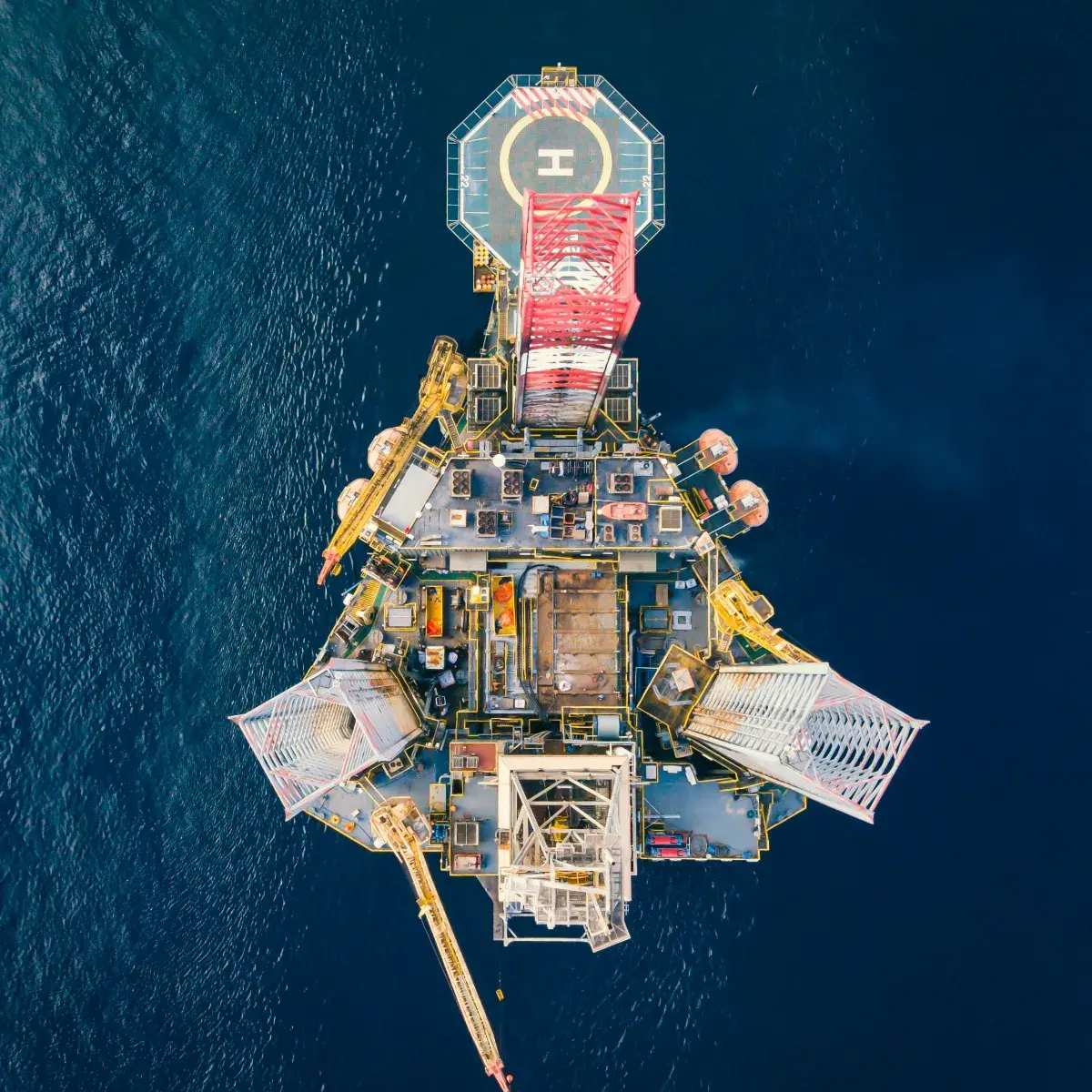
At an offshore platform, an explosion bypassed the Ex d enclosure—through the incorrectly installed cable gland.
✅ Fix It:
- Use ATEX/IECEx-certified glands with flameproof or increased safety rating
- Compound glands for Ex d
- Use torque tools to follow spec sheets—not guesswork
💡 GravitEx Tip: We pre-fit our RadioHub IO units with certified glands to eliminate on-site confusion.
🧠 Mistake #3: Misreading (or Not Reading) Equipment Markings
“Ex db IIC T6 Gb” may look like gibberish—but each letter tells a story of safety.
😬 Common Misread:
- Mistaking T6 (85°C) for the ambient temperature limit
- Assuming IIC automatically covers all gases (spoiler: it doesn't without full certification)
✅ Fix It:
- Train your crew to decode markings:
- Ex db = flameproof enclosure
- IIC = suitable for hydrogen, acetylene gases
- T6 = max external temp = 85°C
- Gb = Equipment Protection Level (Zone 1 safe)
📎 Reference: IEC 60079 Marking Guide
🛑 Misinterpret this and you’re installing blind.
🌩️ Mistake #4: Intrinsic Safety Isn’t Plug & Play
Ex i (intrinsic safety) is only safe when installed with proper grounding and loop design.
😱 Real Field Fail:
A facility installed IS barriers, but failed to bond the junction boxes properly. Lightning surge = fried transmitters = SIL loop broken.
✅ Fix It:
- Ensure single-point grounding for IS systems
- Bond all components with certified terminals
- Validate loop continuity and integrity with loop testers
🔌 Intrinsic safety is a system, not just a product. Test it as one.
🎯 Mistake #5: Overengineering OR Underengineering for Safety
Too often, we see engineers go overboard:
- SIL3 relays for non-critical applications
- Ex d enclosures for dry contact push buttons
Or the reverse:
- General-purpose sensors in Zone 1
- SIL1-rated solenoids in ESD loops
✅ Fix It:
- Match hazard zone, SIL level, and failure consequence to your design
- Optimize protection, don’t overdesign it
📈 GravitEx Approach: We balance compliance with cost and complexity—using Ex i where possible, and Ex d only where necessary.
🧠 Final Words from the Field
Hazardous area installations are like performing surgery in a fire zone—you only get one chance to do it right. The most dangerous installations are the ones that look okay on paper—but fall apart in a real emergency. At GravitEx, we don’t just inspect equipment—we inspect the logic, the context, and the consequence.
Contact:
- 📩 info@gravit-ex.com for a hazardous area compliance review
- 📄 Want a copy of our detailed Hazardous Area Installation Guide? Download it here → (Contact GravitEx for link)