
Tuesday, September 15th 2026

ISA100: The Wireless Revolution
ISA100: The Wireless Revolution
⚡ Transforming Industrial Automation
Imagine a massive industrial facility—think oil refineries or pharmaceutical plants—where thousands of sensors and actuators constantly relay critical data to keep operations humming. Traditionally, these devices required extensive cabling, adding costs, maintenance headaches, and physical constraints. Enter ISA100, a wireless standard specifically designed to liberate these systems from their wires, offering security, reliability, and flexibility tailor-made for industrial environments.
🧱 What is ISA100?
Established by the International Society of Automation (ISA), ISA100 (more specifically, ISA100.11a) is a wireless communication standard dedicated to process automation and control. Unlike general wireless protocols, ISA100 addresses the unique needs of industrial users: robust cyber-security, high reliability, and seamless interoperability among devices from different vendors.
🌐 Mesh Networking Architecture
Self-Healing Network: Every device not only sends its data but can also relay others' transmissions. The more devices you add, the more resilient the network becomes.
Multiple Pathways: Communication can travel through various routes, providing unmatched fault tolerance critical in environments where any breakdown can lead to major safety issues.
Fault Tolerance: If one device fails, the network automatically reroutes communications through alternative paths, maintaining operational integrity.
🔐 Security Features
128-bit AES Encryption: Military-grade encryption operates at multiple layers of the communication protocol, ensuring data lineage remains secure from end to end.
Multi-Layer Protection: Security implemented across different protocol layers provides defense in depth against various types of cyber threats.
Unauthorized Access Prevention: Companies can trust that sensitive production data remains protected from unauthorized access or interference.
With security at its core, ISA100 ensures that industrial operations remain protected while still enabling the free flow of critical operational data.
🔋 Power Efficiency
Low Power Consumption: The protocol is designed with low power usage in mind, helping wireless sensors last for years on a single battery—without sacrificing safety or performance.
Extended Battery Life: Sensors can operate for extended periods without maintenance, reducing operational costs and downtime.
Optimized Transmission: Smart power management features ensure devices only transmit when necessary, conserving energy while maintaining reliability.
🔄 Interoperability Benefits
ISA100 Compliance Institute: Certifies every product using rigorous tests to ensure compatibility across vendors.
Innovation Encouragement: Open standard approach promotes development of new compatible devices.
Vendor Independence: Buyers aren’t locked into a single vendor or a proprietary ecosystem.
Future-Proof Investment: Systems remain compatible as new devices emerge in the marketplace.
🏭 Applications in Industrial Internet of Things (IIoT)
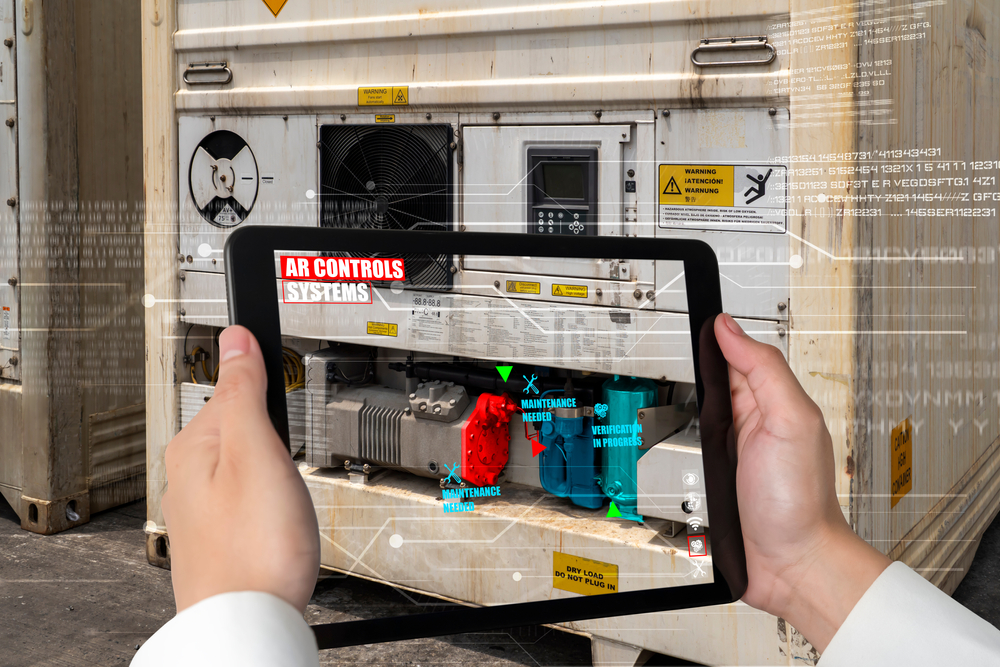
Remote Monitoring: Tanks, reactors, or remote pump stations can now be instrumented quickly and economically without extensive wiring infrastructure.
Predictive Maintenance: Continuous monitoring of equipment conditions allows for maintenance based on actual needs rather than fixed schedules.
Asset Management: Better tracking and management of industrial assets through wireless connectivity improves operational efficiency.
ISA100 shines brightest in the Industrial Internet of Things (IIoT) era, opening the door for smarter monitoring and more efficient operations.
📊 Advantages Over Traditional Wired Systems
| Aspect | Wired Systems | ISA100 Wireless |
|---|---|---|
| Installation Cost | High (cabling, conduits, labor) | Low (no physical wiring required) |
| Maintenance | Complex (cable damage, corrosion) | Simplified (fewer physical components) |
| Flexibility | Limited (fixed locations) | High (easily relocatable) |
| Scalability | Difficult (requires new wiring) | Simple (add devices as needed) |
| Hazardous Areas | Challenging (intrinsic safety concerns) | Easier (fewer physical connections) |
🛠️ Implementation Challenges and Solutions
Challenges:
- Radio frequency interference in industrial environments
- Physical obstacles blocking wireless signals
- Integration with existing wired infrastructure
- Ensuring reliable communication for critical systems
Solutions:
- Frequency hopping and channel blacklisting
- Strategic placement of network devices
- Gateway devices for wired/wireless integration
- Redundant communication paths and monitoring
🚀 The Future of Industrial Automation with ISA100
ISA100 is not just another wireless protocol—it’s an enabler for smarter, safer, and more efficient industrial operations. For engineers and decision-makers, understanding ISA100 means unlocking a future where information can flow freely, securely, and reliably, transforming yesterday’s wired plants into tomorrow’s intelligent networks.
Enhanced Security: Continued improvements in encryption and threat protection.
AI-Enabled Networks: Self-optimizing wireless networks with machine learning.
Deeper Integration: Seamless connection with cloud platforms and analytics.
Energy Harvesting: Devices powered by ambient energy sources.