
Tuesday, September 15th 2026

Overcoming Signal Challenges in Offshore Environments
🌊 Overcoming Signal Challenges in Offshore Environments
Empowering Safe & Scalable Wireless Deployment with GravitEx
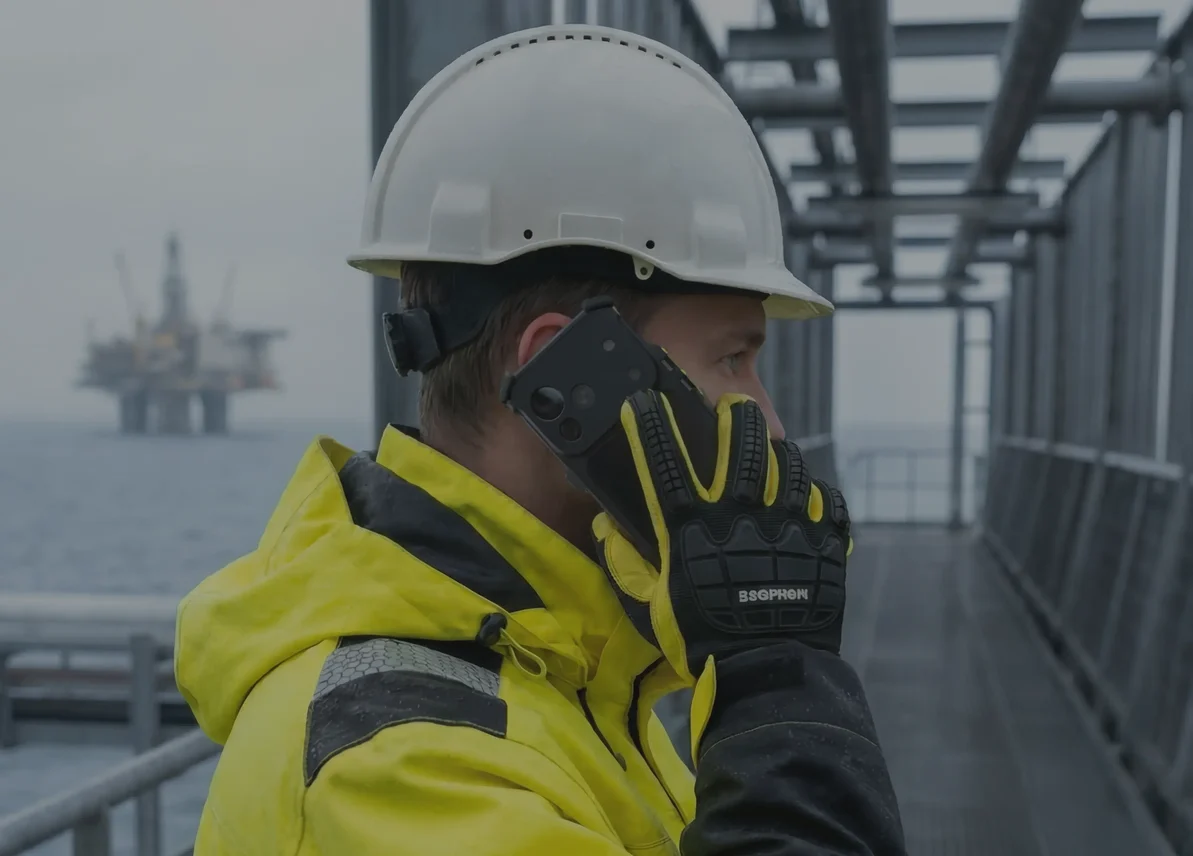
The offshore oil & gas industry is evolving. From decades of complex cabling and constrained control rooms, we now see a global shift toward wireless-enabled platforms — enabling faster deployment, reduced infrastructure costs, and smarter decision-making in real time. But deploying wireless communication systems offshore isn’t as simple as placing a router on a deck. The environment is punishing — with salt-laden air, dense steel structures, vertical layouts, and potential RF saturation from marine equipment. At GravitEx, we specialize in designing ATEX & IECEx-certified wireless communication and energy solutions that thrive in these conditions. Let’s explore how we overcome these challenges — and how you can too.
🚧 The Real Challenges Offshore
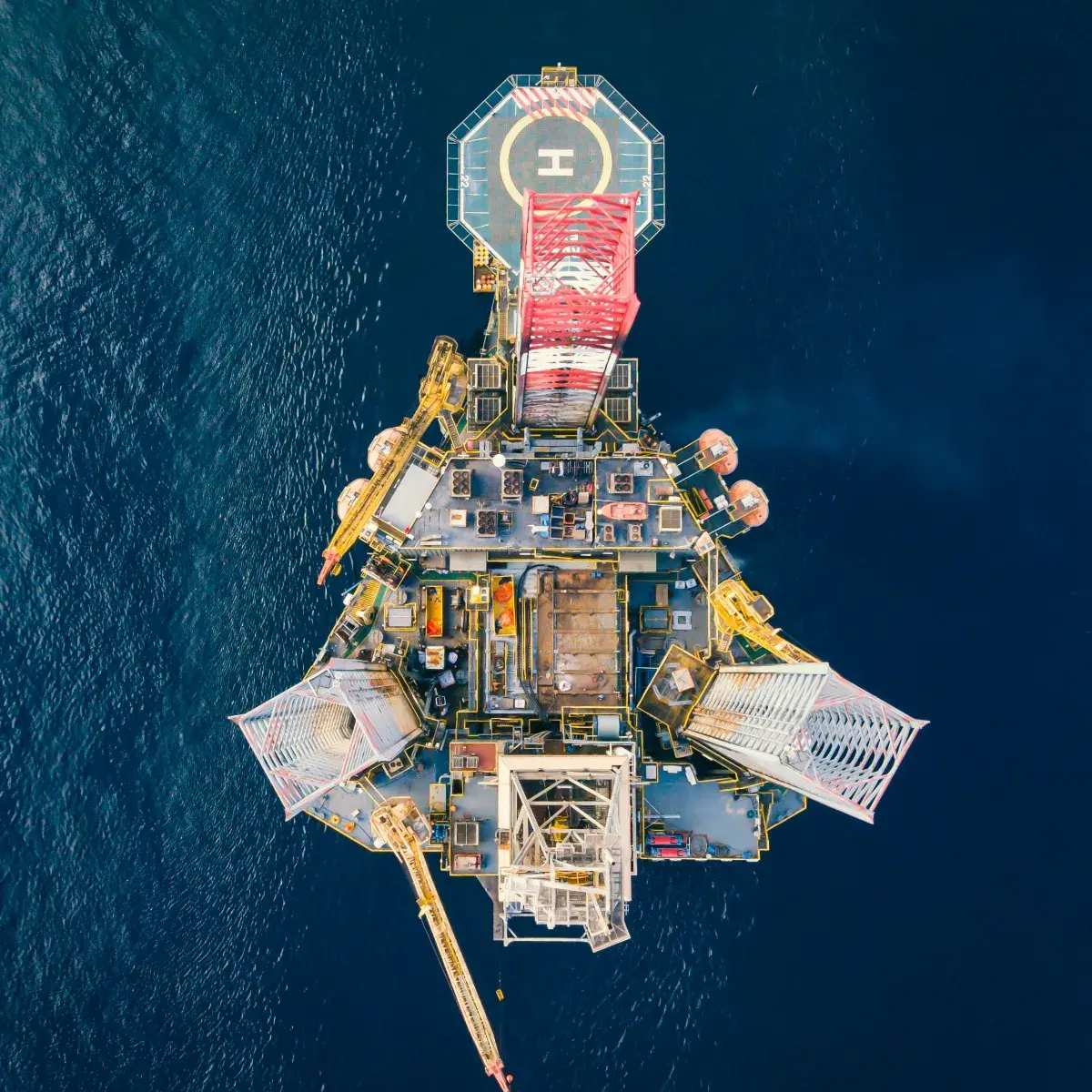
Offshore assets like wellhead platforms, riser towers, FPSOs, and satellite skids introduce several layers of wireless communication obstacles:
- Multi-Level Obstruction: Steel decks, bulkheads, and vessels create line-of-sight issues and multi-path signal losses. Wireless signals don’t travel like they do onshore.
- Harsh Environments: From salt spray and vibration to extreme temperatures and gas hazards, enclosures and devices must be certified and rugged.
- Remote or Unpowered Zones: Many assets — flare stacks, unmanned risers, deluge valves — lack grid power and need battery-operated or solar-powered solutions.
- RF Saturation (But Not Interference): While ISA100 operates on industrial-grade 2.4GHz bands, it smartly avoids interference using frequency hopping and channel blacklisting — making it ideal for offshore where marine radios and radar operate nearby.
🧠 Strategic Wireless Architecture — Explained in Detail
Offshore platforms are not flat like refinery plots — they’re vertical, compact, and densely packed with metallic structures. That’s why strategic placement of wireless devices is not just a best practice — it’s the difference between signal loss and reliable communication. Here’s how GravitEx ensures flawless deployment:
- RadioHub IO Modules (Zone 1/2 Rated): These are placed directly at the source of action — near ESD valves, manual call points, gas/flame detectors, or pump skids. Placing the RadioHub IO within the same deck level eliminates the need for long I/O cables. Since they are SIL2 capable and ATEX/IECEx certified, they safely operate in gas zones under -20°C to +70°C.
- Wireless Repeaters (Zone 1/2 Rated): Wireless signals must hop across steel decks, staircases, and confined corridors. To bridge these sections, we install Repeaters between Radio Hubs — usually at mid-deck positions or near stair towers — creating a mesh backbone. These repeaters extend ISA100 signal range and prevent communication drop-outs due to multi-path interference.
- Access Points (APs): Access Points are installed 2–3 meters above deck level, typically on crane booms, mast poles, or junction box risers. They provide 360° coverage and maintain clear line-of-sight (LOS) with repeaters and RadioHubs.
- Gateway + Power Source (Zone 2 Safe Area): Gateways aggregate all wireless signals and transfer data to the SCADA or PLC using Modbus TCP/IP, OPC, or Profisafe/Profinet. These are usually placed in pressurized enclosures or marshalling cabinets near the control room or skid panel.
- Control System (PLC/SCADA) (Safe Zone): Located in air-conditioned MCCs or equipment shelters, the control system communicates with the wireless Gateway and logs data, controls actuation, or triggers alarms based on input.
This layered design ensures multi-deck coverage, low latency, and fail-safe control — all without trenching or hot work.
🔍 Real-World Results Start With Real Designs
Want to see how it works in a real offshore scenario? We’ve deployed wireless valve shutdowns, gas detection loops, and flame suppression systems on platforms with zero downtime and zero cabling.
👉 Book a quick consult with our solution team
We’ll share real-world deployment drawings, use cases, and wireless layouts — customized to your project.
Contact:
- 📩 info@gravit-ex.com to learn how GravitEx can modernize your offshore asset with certified, intelligent wireless architecture.