
Tuesday, September 15th 2026

Upgrading from Wired to Wireless: A Real-World Engineer’s Guide
Upgrading from Wired to Wireless: A Real-World Engineer’s Guide
⚡ From Cable Trays to Cloud Signals: Why 2025 Is the Year to Go Wireless
You’ve patched that same cable three times. Replaced another burned junction box. Waited hours for a scaffolding permit to check a loose terminal. Every plant engineer reaches a point where they ask: “There’s got to be a better way than pulling cable just to carry 4–20 mA from A to B.” Good news? There is. Great news? It’s not just better—it’s smarter, faster, safer, and pays itself back in months. Welcome to the modern reality of wireless industrial safety—built not with Wi-Fi gimmicks, but with ATEX-certified, SIL-ready, protocol-hardened systems that meet the harshest Zone 1 demands. Let’s walk through this upgrade like you would in the field: step by step, with both boots on the ground.
🧱 Step 1: Understand Why You’re Upgrading
Before ripping out cables or ordering wireless nodes, ask the real questions:
- Are you constantly troubleshooting wiring faults or signal drops?
- Do your brownfield expansions involve trenching through active process areas?
- Are you being forced to choose between instrumentation and cabling within your project budget?
If you said yes to any of these, wireless is not just an alternative—it’s a strategic upgrade.
📌 Real Fact: Emerson and Yokogawa both report that up to 70% of total install cost in greenfield projects is cable-related—not devices.
🔍 Step 2: Choose the Right Protocol (Spoiler: They’re Not Equal)
Not all wireless tech is created equal.
| Protocol | Best Use Case | Watch Out For |
|---|---|---|
| ISA100 | SIL-rated loops, flame detection, ESD | Slightly higher power consumption |
| WirelessHART | Routine monitoring, 4–20 mA sensors | Not suited for critical discrete controls |
| LoRa | Long-range non-critical asset tracking | High latency, no real-time control |
🎯 GravitEx Field Insight: ISA100 offers mesh redundancy, QoS tagging, and real-time delivery guarantees. That’s why we trust it for deluge valves, ESD loops, and critical F&G sensors.
🧰 Step 3: Don’t Replace Everything—Be Strategic
You don’t “switch to wireless.” You transition smartly.
Start With:
- Remote I/O locations (e.g., flare stacks, tank farms)
- Hazardous areas where ATEX/IECEx cabling is a headache
- Functions requiring fast diagnostics (ESD pushbuttons, open-path gas detectors)
🚧 Pro Tip: We recommend starting with 1–2 wireless safety loops. Validate performance. Expand incrementally.
🛠️ Step 4: Install Smart, Not Hard
A Basic GravitEx Wireless Loop Might Look Like:
Detector/Push Button → RadioHub IO → ISA100 Access Point (Mesh) → Gateway → SIL2 Logic Solver → Actuator
No trenching. No armoured cable. Just smart design.
✅ Certifications We Use:
- Enclosures: ATEX/IECEx Zone 1, Ex d or Ex e
- Radio: ISA100-compliant, AES-128 encrypted
- I/O: SIL2-capable, FMEDA-validated
🔐 Step 5: Lock Down Cyber & Signal Integrity
Wireless opens doors—but it must lock them behind.
Key Safety Layers:
- Encryption: End-to-end AES-128 on ISA100
- Authentication: PKI device validation to prevent spoofing
- Diagnostics: Node health, battery status, signal strength all visible
- Firewalling: VLANs and port restrictions separate OT from IT
💡 Fun Fact: ISA100 supports 3-tier signal verification (node, mesh, gateway), making signal dropouts traceable within seconds.
📉 Wired vs Wireless: Downtime + Cost Breakdown
| Issue | Wired | ISA100 Wireless |
|---|---|---|
| Cable Tracing | 6–12 hrs per fault | Instant diagnostics |
| Gland Inspection | 2–4 hrs per device | None (sealed modules) |
| Zone 1 Trenching | > $100/meter | Zero |
| Expansion Effort | Civil + Cabling + Permits | Node Deployment Only |
| Typical Install Cost | $25K for 10 I/O | $8K (all-inclusive wireless) |
| Payback Period | 2–3 years | < 12 months |
🚀 Step 6: Validate, Document, and Scale
Wireless isn’t plug-and-pray. You must engineer it like a safety system.
Final Validation:
- Run loop test with end-to-end latency measurements
- Validate mesh routing paths
- Document proof-test schedules
- Train team on remote diagnostics
Once proven, scale your design across:
- Deluge Skids
- Wellhead Panels
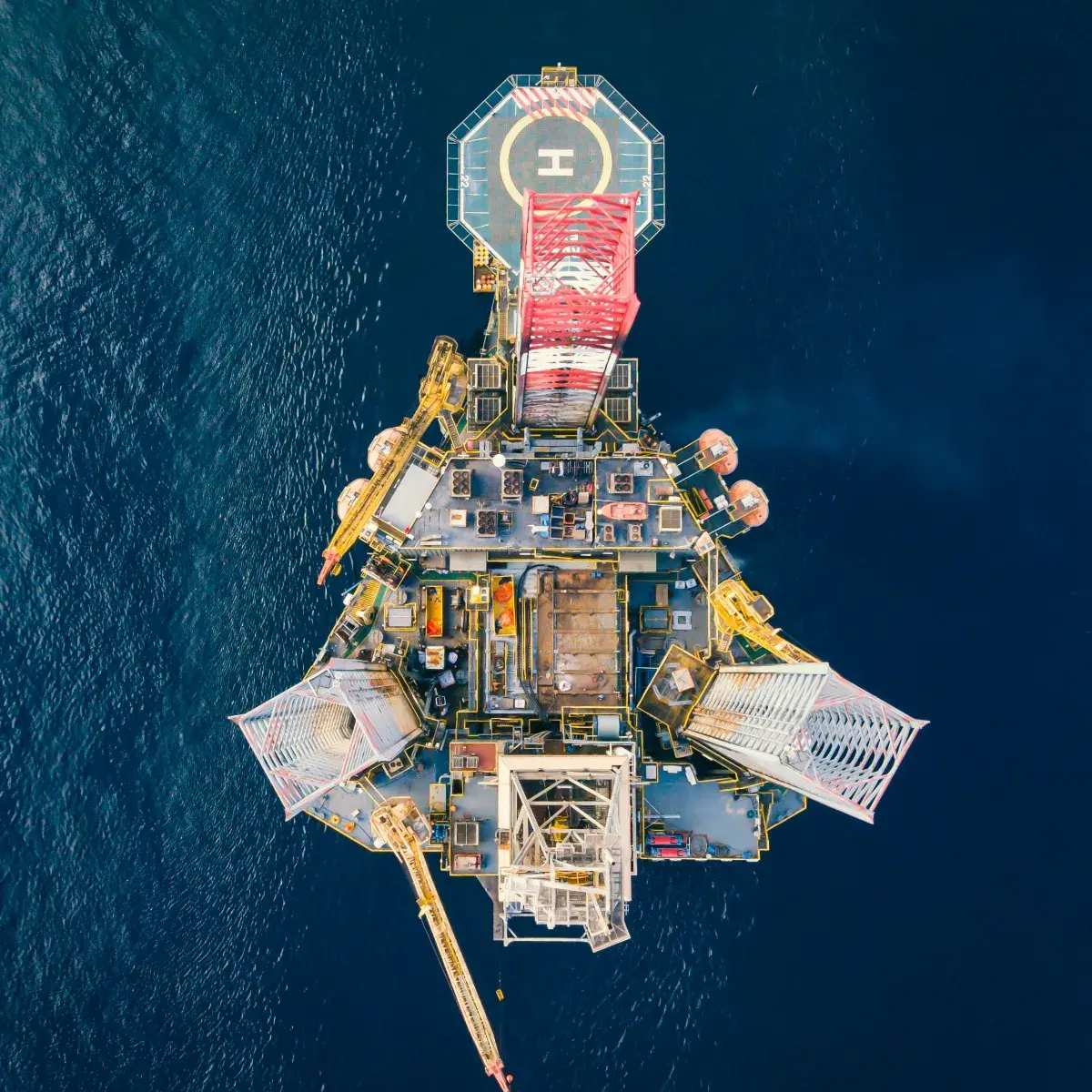
- Temporary Skids or Offshore Rigs
- High-risk Expansion Areas
🏆 Why GravitEx Makes It Work
We don’t just push devices. We deploy full safety intelligence:
- RadioHub IO + Access Points with ATEX + SIL support
- Protocol Tuning for ISA100 topologies
- SIL Loop Calculations with FMEDA and diagnostics
- Remote Dashboards for signal health, proof tests, battery status
🎯 We turn wireless from a buzzword into a certified safety solution.
Contact:
- 📧 info@gravit-ex.com for a full site audit or wireless architecture design session